Author: Maxim

  • Manasija Monastery, Serbia: A Complete Travel Guide to the Fortress of Faith and Learning

    Manasija Monastery, Serbia: A Complete Travel Guide to the Fortress of Faith and Learning

    Manasija Monastery is one of the most important and visually striking medieval monuments in Serbia. Located in eastern Serbia near the town of Despotovac, Manasija is unique for its combination of spiritual, cultural, and military significance. Surrounded by massive defensive walls and towers, the monastery looks more like a fortress than a religious complex—yet inside, it preserves some of the finest examples of medieval Serbian art and intellectual history.

    This in-depth travel guide to Manasija Monastery covers its history, architecture, frescoes, cultural importance, visiting tips, nearby attractions, and practical information. If you are interested in medieval history, Orthodox heritage, or planning an eastern Serbia itinerary, Manasija Monastery is an essential stop.


    Why Visit Manasija Monastery?

    Manasija stands apart from many other Serbian monasteries for several reasons:

    • It is one of the best-preserved fortified monasteries in the country
    • It played a crucial role in medieval Serbian culture and education
    • Its frescoes represent the peak of late medieval Serbian art
    • The site combines spiritual calm with dramatic military architecture
    • It is easily combined with nearby natural attractions

    Unlike monasteries hidden deep in valleys or mountains, Manasija was built to project strength. Visiting it feels like stepping into a time when faith, politics, and defense were inseparable.


    Where Is Manasija Monastery?

    Manasija Monastery is located near Despotovac, in eastern Serbia, at the edge of the Resava River valley. The surrounding area is green, calm, and lightly developed, making it ideal for slow travel.

    Approximate distances:

    • Belgrade: ~140 km (2.5–3 hours by car)
    • Kragujevac: ~110 km
    • Veliki Buk Waterfall: ~20 km
    • Resava Cave: ~15 km

    Because of this clustering of attractions, Manasija is often part of a full-day eastern Serbia route.


    Historical Background: The Vision of Despot Stefan Lazarević

    Manasija Monastery was founded in the early 15th century by Despot Stefan Lazarević, one of the most influential rulers in medieval Serbian history. A warrior, statesman, poet, and patron of the arts, Stefan ruled during a turbulent period marked by the growing pressure of the Ottoman Empire.

    Manasija was intended to serve multiple purposes:

    • A spiritual center
    • A royal endowment
    • A place of learning and manuscript production
    • A fortified refuge in times of danger

    Construction lasted from approximately 1406 to 1418. The monastery became the heart of the Resava School, one of the most important medieval Serbian centers of literacy and translation. Scholars here worked on copying, correcting, and standardizing religious and philosophical texts, influencing Serbian culture for centuries.


    The Resava School: Manasija as a Cultural Center

    Manasija’s importance goes far beyond architecture. The monastery was home to the Resava School, a major medieval intellectual movement.

    Its contributions included:

    • Translation of Greek and Byzantine texts into Serbian
    • Standardization of church language and orthography
    • Preservation of religious and philosophical manuscripts

    At a time when much of Europe faced instability, Manasija served as a beacon of scholarship and cultural continuity. This legacy makes it not just a religious monument, but a cornerstone of Serbian written culture.


    Architecture of Manasija Monastery

    Fortified Walls and Towers

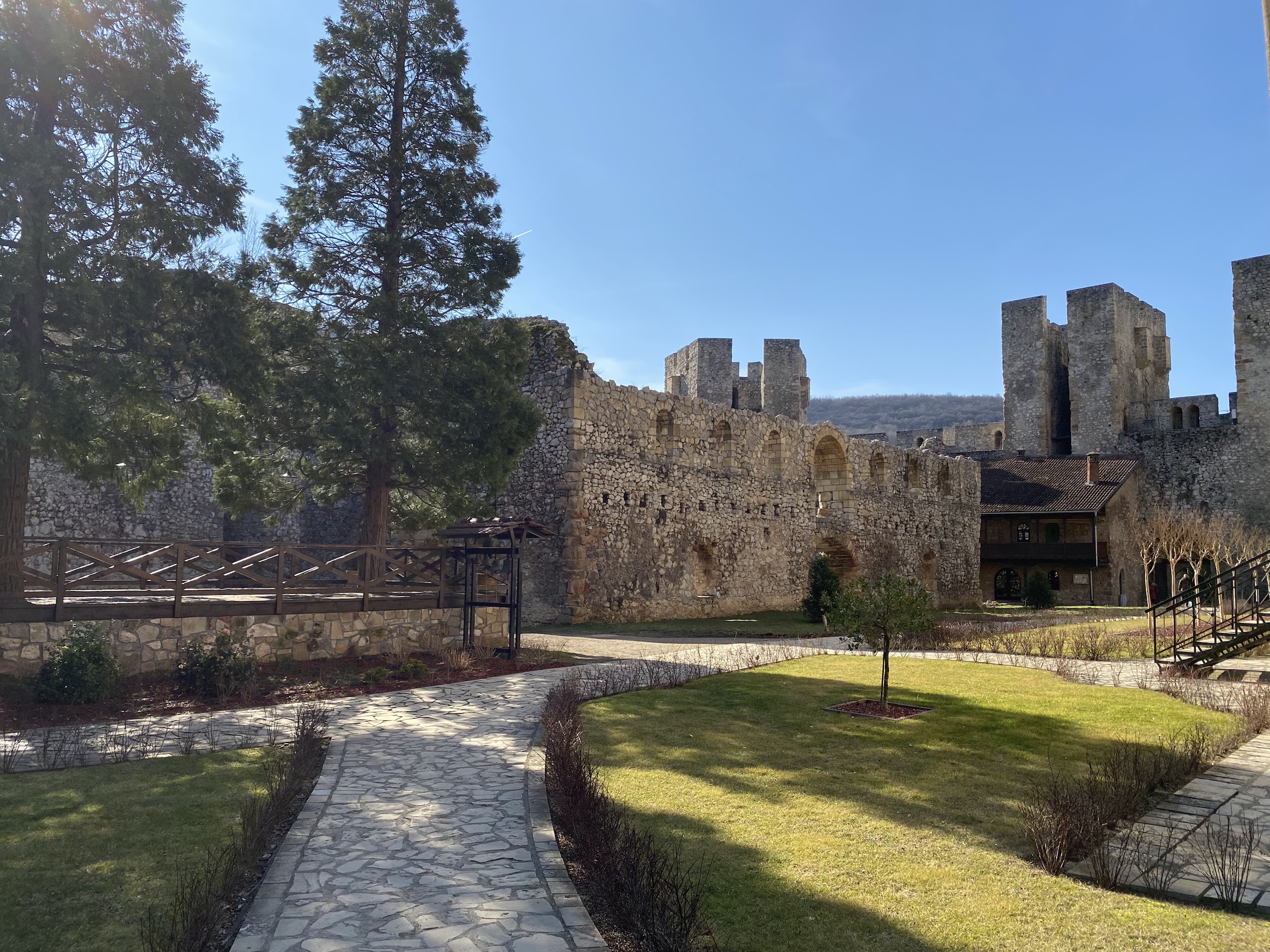
    Manasija is surrounded by imposing defensive walls reinforced with 11 massive towers, making it one of the most heavily fortified monasteries in Serbia.

    Key features:

    • High stone ramparts
    • Narrow defensive openings
    • Towers designed for archers and later firearms

    The fortifications reflect the political reality of the time: monasteries were not only spiritual sanctuaries but also strategic strongholds.

    Walking around the outer walls gives a strong sense of the monastery’s original defensive power.


    The Church of the Holy Trinity

    At the heart of the complex stands the Church of the Holy Trinity, built in the Morava architectural style, which is characteristic of late medieval Serbia.

    Architectural elements include:

    • A central dome
    • Decorative stonework
    • Harmonious proportions
    • Byzantine-influenced layout

    The exterior is elegant but restrained, emphasizing balance rather than excess.


    Frescoes of Manasija: Art at Its Peak

    The interior frescoes of Manasija are considered among the finest examples of medieval Serbian painting.

    Although some were damaged over time, many have survived and reveal:

    • Sophisticated composition
    • Expressive figures
    • Rich but controlled color palette
    • Strong Byzantine artistic influence

    Particularly notable are:

    • Portraits of Despot Stefan Lazarević
    • Scenes from the life of Christ
    • Liturgical and symbolic compositions

    Viewing the frescoes requires patience and attention to detail. They are not designed to impress instantly, but to unfold gradually as you spend time inside the church.


    Visiting Manasija Monastery Today

    What to Expect as a Visitor

    Manasija is an active monastery, which means:

    • Modest dress is required inside the church
    • Silence and respectful behavior are expected
    • Photography inside may be restricted

    Outside, visitors are free to walk around the walls, towers, and courtyard at a relaxed pace.

    Opening Hours and Access

    Manasija is generally open daily, though exact hours may vary depending on season and religious events. Entry is usually free or requires a small donation.

    It is best to visit during daylight hours to fully appreciate the architecture and surroundings.


    Best Time to Visit Manasija Monastery

    • Spring (April–May): Green landscape, mild temperatures
    • Summer (June–August): Easy access, but warmer and busier
    • Autumn (September–October): Ideal light, calm atmosphere
    • Winter (November–February): Quiet and atmospheric, but colder

    Autumn is often considered the most rewarding season for photography and reflection.


    Photography Tips

    Best photography spots include:

    • The monastery walls from outside the complex
    • Towers against the sky in late afternoon light
    • Courtyard views framing the church
    • Details of stonework and gates

    Interior photography depends on current rules—always ask before shooting.


    Nearby Attractions to Combine with Manasija

    Manasija is ideally located for a full-day itinerary.

    Veliki Buk (Lisine) Waterfall

    Veliki Buk Waterfall is one of Serbia’s most powerful and beautiful waterfalls. It pairs perfectly with Manasija, offering a strong contrast between culture and nature.


    Resava Cave

    Resava Cave features massive underground chambers and guided tours. It adds geological depth to the historical experience of Manasija.


    Despotovac

    The nearby town of Despotovac provides basic services, cafés, and restaurants. It’s a convenient stop for lunch or a short walk.


    How to Get to Manasija Monastery

    By Car

    Driving is the most practical option. Roads are generally good, and parking is available near the monastery.

    By Public Transport

    Buses run to Despotovac from larger cities, but reaching the monastery from town may require a taxi. Organized tours are also available.


    How Long Should You Spend at Manasija?

    • Quick visit: 45–60 minutes
    • Standard visit: 1.5 hours
    • Combined with nearby sites: Full day

    Manasija is not rushed; its atmosphere encourages slower exploration.


    Manasija Monastery Travel Guide: Final Thoughts

    Manasija Monastery is one of Serbia’s most complete historical sites. It unites faith, art, scholarship, and military architecture into a single, powerful place. As both a spiritual sanctuary and a fortified complex, it reflects a decisive moment in Serbian medieval history—when culture was defended as fiercely as territory.

    Whether you visit Manasija for its frescoes, its walls, or its role in the Resava School, it leaves a lasting impression. Combined with nearby natural attractions like Veliki Buk Waterfall and Resava Cave, it forms the heart of one of the richest travel regions in eastern Serbia.
  • Veliki Buk Waterfall (Lisine), Serbia: A Complete Travel Guide to One of the Country’s Most Beautiful Waterfalls

    Veliki Buk Waterfall (Lisine), Serbia: A Complete Travel Guide to One of the Country’s Most Beautiful Waterfalls

    Veliki Buk Waterfall, also widely known as Lisine Waterfall, is one of the most scenic and accessible natural attractions in Serbia. Located in eastern Serbia, at the foothills of the Kučaj Mountains, this powerful cascade is famous for its emerald-green water, strong flow throughout the year, and dramatic limestone surroundings.

    Veliki Buk is an ideal destination for nature lovers, photographers, families, and travelers looking to explore eastern Serbia beyond the usual routes. This article provides a complete travel guide to Veliki Buk Waterfall, including location, history, what to see, nearby attractions, best time to visit, photography tips, and practical travel advice. You’ll also find links to related points of interest to help you build a full itinerary.


    Why Visit Veliki Buk Waterfall?

    Veliki Buk stands out among Serbian waterfalls for several reasons:

    • It is powerful year-round, unlike many seasonal waterfalls
    • The water color is exceptionally clear and green
    • The site is easily accessible and well-maintained
    • It can be combined with caves, mountains, and monasteries nearby
    • It offers a strong natural experience without long hikes

    Unlike remote mountain waterfalls that require demanding treks, Veliki Buk delivers an immediate “wow” factor while still feeling wild and authentic.


    Where Is Veliki Buk Waterfall?

    Veliki Buk Waterfall is located near the village of Lisine, close to the town of Despotovac, in eastern Serbia. It lies on the western slopes of the Kučaj Mountains, an area known for dense forests, karst landscapes, and underground rivers.

    Approximate distances:

    • Belgrade: ~140 km (about 2.5–3 hours by car)
    • Kragujevac: ~120 km
    • Resava Cave: ~15 km
    • Manasija Monastery: ~20 km

    The waterfall is best reached by car, though organized tours from Belgrade and central Serbia are also available.


    What Is Veliki Buk Waterfall?

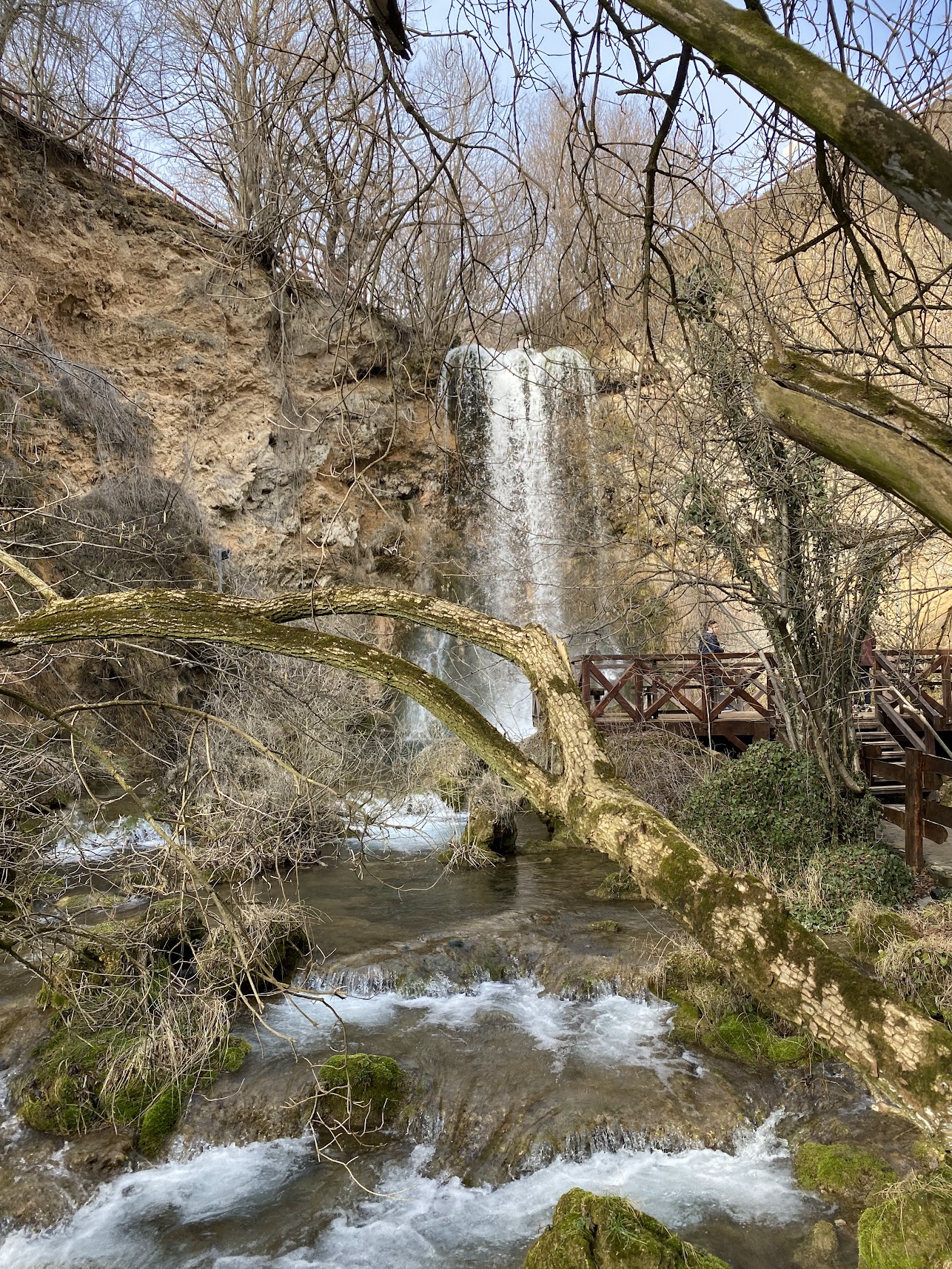
    Veliki Buk is formed by the Resava River, which emerges from a karst spring and flows through limestone terrain. The waterfall drops approximately 20 meters, spreading over a wide rock face rather than falling in a single narrow stream. This gives it a powerful, layered appearance and creates mist, sound, and movement that dominate the surrounding area.

    Because it is fed by underground karst sources, the waterfall maintains a strong flow even in dry summer months, making it reliable for visits at any time of year.


    Veliki Buk vs Lisine Waterfall: Name Explanation

    You may see the waterfall referred to by two names:

    • Veliki Buk Waterfall
    • Lisine Waterfall

    Both names refer to the same place. “Veliki Buk” is the formal geographical name, while “Lisine” comes from the nearby area and is commonly used in tourism materials. When searching online or on maps, either name will work.


    What to See and Do at Veliki Buk Waterfall

    The Main Waterfall Viewpoint

    The primary viewpoint is only a short walk from the parking area. From here, you can see the full width of the waterfall, framed by green vegetation and limestone rock.

    Wooden paths and bridges allow visitors to move closer without disturbing the environment. The constant sound of rushing water makes this area especially atmospheric.


    Walk Along the River and Springs

    Above and below the waterfall, the Resava River flows calmly through forested terrain. Short walking paths follow the riverbanks, offering quieter perspectives and excellent photo opportunities.

    This area is ideal for:

    • Relaxed walks
    • Family visits
    • Nature observation
    • Cooling down in summer (without entering the water)

    Photography Opportunities

    Veliki Buk is one of the most photogenic waterfalls in Serbia.

    Best photography conditions:

    • Spring: Maximum water flow
    • Autumn: Colorful foliage
    • Winter: Frozen cascades and ice formations
    • Early morning or late afternoon: Soft light and fewer visitors

    A tripod is useful for long-exposure shots that highlight water movement.


    Nearby Attractions You Should Not Miss

    Veliki Buk is best visited as part of a wider eastern Serbia itinerary. Several major attractions are located nearby.

    Resava Cave

    Resava Cave is one of the largest and most impressive caves open to visitors in Serbia. It features:

    • Massive chambers
    • Stalactites and stalagmites
    • Guided tours with lighting and walkways

    Resava Cave is only about 15 minutes from Veliki Buk and is a perfect complement to the waterfall visit.


    Manasija Monastery

    Manasija Monastery is a fortified medieval monastery built in the 15th century. It is one of the most important cultural monuments in Serbia and lies close to Despotovac.

    Combining Manasija with Veliki Buk and Resava Cave makes for a well-balanced day of nature and history.


    Kučaj Mountains and Nature Trails

    The Kučaj Mountains are among Serbia’s least developed and most mysterious mountain regions. They offer:

    • Dense forests
    • Karst plateaus
    • Remote hiking routes
    • Minimal tourism infrastructure

    For experienced hikers and explorers, this area provides true wilderness.


    Best Time to Visit Veliki Buk Waterfall

    Veliki Buk is a year-round destination, but each season offers a different atmosphere:

    • Spring (March–May): Strongest water flow, lush greenery
    • Summer (June–August): Refreshing climate, ideal for families
    • Autumn (September–October): Beautiful foliage and fewer visitors
    • Winter (December–February): Frozen waterfall and dramatic scenery

    Winter visits can be especially striking, but require careful walking due to ice.


    Practical Information for Visitors

    Entrance and Facilities

    • Entrance is generally free or low-cost
    • Parking is available near the site
    • Restaurants serving local food are located nearby
    • Paths are well maintained, but can be slippery near water

    What to Bring

    • Comfortable walking shoes
    • Warm clothing in cooler seasons
    • Camera or phone with good low-light performance
    • Cash for local food and small services

    How Long Should You Spend at Veliki Buk?

    • Quick visit: 30–45 minutes
    • Relaxed visit: 1–1.5 hours
    • Combined with cave and monastery: Full day

    Veliki Buk is ideal as both a standalone stop and part of a longer route.


    Veliki Buk Waterfall Travel Guide: Final Thoughts

    Veliki Buk Waterfall is one of Serbia’s most rewarding natural attractions. It offers power, beauty, accessibility, and consistency—qualities that many waterfalls lack. Whether you visit in summer greenery or winter ice, it leaves a strong impression without requiring extreme effort.

    When combined with nearby highlights like Resava Cave and Manasija Monastery, Veliki Buk becomes part of one of the best nature-and-culture itineraries in eastern Serbia. It is a destination that proves Serbia’s landscapes are just as impressive as its cities and fortresses.

  • Zlatibor Mountain, Serbia: A Complete Travel Guide to Nature, Villages, and Outdoor Life

    Zlatibor Mountain, Serbia: A Complete Travel Guide to Nature, Villages, and Outdoor Life

    Zlatibor is one of Serbia’s most popular and versatile mountain destinations. Known for its rolling hills, open meadows, pine forests, clean air, and well-developed tourist infrastructure, Zlatibor combines nature with comfort better than almost anywhere else in the country. It is a place where hiking trails, traditional villages, wellness hotels, and family-friendly attractions coexist.

    Located in western Serbia, Zlatibor is often the first mountain destination for both domestic and international visitors. This guide covers what to see, what to do, when to go, where to stay, and how to plan your visit—whether you’re looking for active holidays, relaxed nature walks, or a base for exploring western Serbia.


    Why Visit Zlatibor?

    Zlatibor’s appeal lies in its balance. It is not as wild and remote as Tara, nor as urban as some resort towns. Instead, Zlatibor offers:

    • Gentle mountain landscapes suitable for all ages
    • Well-marked hiking and cycling paths
    • Traditional villages and ethno-heritage sites
    • Family-friendly attractions and wellness centers
    • Easy access and good infrastructure

    Zlatibor is ideal for travelers who want nature without sacrificing comfort. It suits families, couples, older travelers, and anyone who prefers light outdoor activity combined with good food and accommodation.


    Where Is Zlatibor Mountain?

    Zlatibor is located in western Serbia, about 230 km southwest of Belgrade. The central tourist area is known as Zlatibor Center, surrounded by villages, hills, and natural attractions.

    Approximate distances:

    Thanks to major road connections, Zlatibor is one of the easiest mountain regions in Serbia to reach.


    Landscape and Nature of Zlatibor

    Unlike steep alpine ranges, Zlatibor is characterized by soft relief: wide plateaus, rounded hills, and open pastures. This makes it particularly accessible for walking, cycling, and winter recreation.

    The climate is mild and pleasant:

    • Summers are cooler than in cities
    • Winters are cold but not extreme
    • Air quality is among the best in Serbia

    Historically, Zlatibor was known as a health resort, especially for respiratory conditions, due to its clean air and favorable climate.


    Best Things to Do on Zlatibor Mountain

    1) Walk Around Zlatibor Center and Lake

    Zlatibor Center is the most developed part of the region, featuring:

    • A small artificial lake
    • Pedestrian zones
    • Cafés, restaurants, and souvenir shops
    • Parks and walking paths

    While some travelers find the center too busy in peak season, it provides easy access to services, restaurants, and accommodation. Early mornings and evenings are the best time to enjoy it peacefully.


    2) Explore Traditional Villages: Sirogojno

    Sirogojno Open-Air Museum is one of Zlatibor’s cultural highlights. This open-air museum recreates a traditional mountain village with authentic wooden houses, workshops, and farm buildings.

    Visitors can learn about:

    • Traditional architecture
    • Rural life and crafts
    • Food preparation and local customs

    Sirogojno is ideal for families and anyone interested in Serbian heritage.


    3) Stopića Cave

    Stopića Cave is one of the most impressive caves in Serbia and a major attraction near Zlatibor.

    What makes Stopića Cave special:

    • Large open chambers
    • Cascading limestone pools
    • Easy access and well-lit paths

    The cave stays cool year-round, making it a great summer activity.


    4) Gostilje Waterfall

    Gostilje Waterfall is a short but scenic waterfall surrounded by forest and walking paths.

    It’s a popular stop because:

    • It’s easy to reach
    • It suits short walks
    • The surrounding area is peaceful and green

    Gostilje pairs well with nearby village visits or a relaxed half-day outing.


    5) Hiking and Cycling on Zlatibor

    Zlatibor offers numerous easy to moderate trails rather than demanding mountain hikes.

    Popular activities include:

    • Walking across open meadows
    • Cycling on gravel and forest roads
    • Light hikes to viewpoints and villages

    Because of the gentle terrain, Zlatibor is ideal for casual outdoor activity rather than extreme sports.


    6) Tornik Ski Center

    Tornik Ski Center is the main winter sports area on Zlatibor.

    In winter:

    • Skiing and snowboarding
    • Chairlifts and groomed slopes

    In summer:

    • Scenic cable car rides
    • Mountain biking
    • Panoramic views

    Tornik adds year-round appeal to the region.


    7) Wellness and Spa Tourism

    Zlatibor has become a major wellness destination. Many hotels and resorts offer:

    • Indoor pools
    • Saunas and spa treatments
    • Fitness and relaxation programs

    This makes Zlatibor especially attractive for longer stays and off-season travel.


    Food and Local Cuisine on Zlatibor

    Zlatibor cuisine is hearty, mountain-based, and deeply rooted in tradition.

    Typical dishes include:

    • Beef and lamb specialties
    • Smoked meats and sausages
    • Homemade cheese and kajmak
    • Buckwheat dishes
    • Traditional pastries

    Local markets and roadside stands sell honey, dried meats, dairy products, and herbal teas.


    Where to Stay on Zlatibor

    Zlatibor offers the widest accommodation range among Serbian mountains:

    • Large hotels and resorts
    • Apartments and private rentals
    • Wooden mountain cabins
    • Rural guesthouses in nearby villages

    Zlatibor Center suits those who want convenience, while villages offer quieter, more authentic stays.


    How to Get to Zlatibor

    By Car

    Driving is straightforward via major roads from Belgrade and central Serbia.

    By Bus

    Frequent bus connections exist from Belgrade, Novi Sad, and other cities.

    By Train

    Trains reach Užice, from where buses or taxis continue to Zlatibor.


    Best Time to Visit Zlatibor

    • Spring (May–June): Green landscapes, fewer visitors
    • Summer (July–August): Cool weather, busiest season
    • Autumn (September–October): Calm atmosphere, beautiful colors
    • Winter (December–February): Snow, skiing, festive mood

    Zlatibor is a true year-round destination.


    How Long Should You Stay on Zlatibor?

    • Weekend: Enough for main sights
    • 3–4 days: Ideal for combining nature, villages, and relaxation
    • One week: Suitable for wellness-focused stays

    Zlatibor vs Tara Mountain

    • Zlatibor: more developed, accessible, family-friendly
    • Tara: wilder, quieter, more remote
    • Zlatibor suits comfort-oriented travel; Tara suits nature purists

    Many travelers combine both.

  • Tara Mountain, Serbia: A Complete Travel Guide to Wild Nature, Viewpoints, and National Park Adventures

    Tara Mountain, Serbia: A Complete Travel Guide to Wild Nature, Viewpoints, and National Park Adventures

    Tara Mountain is one of Serbia’s most pristine and atmospheric природных destinations. Covered with dense forests, cut by deep river canyons, and scattered with panoramic viewpoints, Tara is a place where nature still dominates the landscape. Unlike dramatic alpine peaks, Tara Mountain impresses through scale, silence, biodiversity, and an overwhelming sense of space.

    Located in western Serbia, near the border with Bosnia and Herzegovina, Tara Mountain is best known as the heart of Tara National Park. It is an ideal destination for travelers who enjoy hiking, photography, wildlife, scenic drives, and slow travel in nature. This guide covers what to see, what to do, where to stay, how to get there, and how to plan a perfect visit to Tara Mountain.


    Why Visit Tara Mountain?

    Tara Mountain stands out even among Serbia’s many natural landscapes. It is not a place of mass tourism, ski resorts, or crowded attractions. Instead, Tara offers:

    • Vast untouched forests and clean mountain air
    • Deep canyons carved by the Drina River
    • Famous viewpoints overlooking one of Europe’s most dramatic river valleys
    • Rich biodiversity, including rare and endemic species
    • Peaceful villages, traditional food, and a slow rhythm of life

    Tara is ideal if you want to disconnect from urban life and experience Serbia’s wild side. It suits hikers, nature photographers, couples, families, and anyone looking for calm rather than nightlife.


    Where Is Tara Mountain?

    Tara Mountain is located in western Serbia, roughly between the towns of Bajina Bašta and Mokra Gora. The Drina River forms a natural border with Bosnia and Herzegovina, creating spectacular canyon scenery.

    Approximate distances:

    • Belgrade: ~180–200 km (4–5 hours by car)
    • Užice: ~1.5 hours
    • Zlatibor: ~1.5 hours
    • Sarajevo: ~3 hours

    Due to its rural nature, Tara Mountain is best explored by car.


    Tara National Park: Nature at Its Purest

    Tara National Park was established in 1981 to protect one of the largest preserved forest areas in Serbia. The park covers more than 240 square kilometers and is dominated by mixed coniferous and deciduous forests.

    Biodiversity and Wildlife

    Tara is famous for its exceptional biodiversity. It is home to:

    • The Pančić spruce, a rare endemic tree species discovered on Tara
    • Brown bears, wolves, chamois, deer, and wild boar
    • Over 130 bird species, making it popular with birdwatchers
    • A wide range of medicinal plants, mosses, and fungi

    Wildlife is present but elusive. Seeing animals requires patience and respect for nature, not chasing or feeding.


    Best Things to Do on Tara Mountain

    1) Visit the Famous Viewpoints

    Viewpoints are the highlight of Tara Mountain. They offer dramatic perspectives over the Drina River Canyon and endless forested ridges.

    Banjska Stena Viewpoint

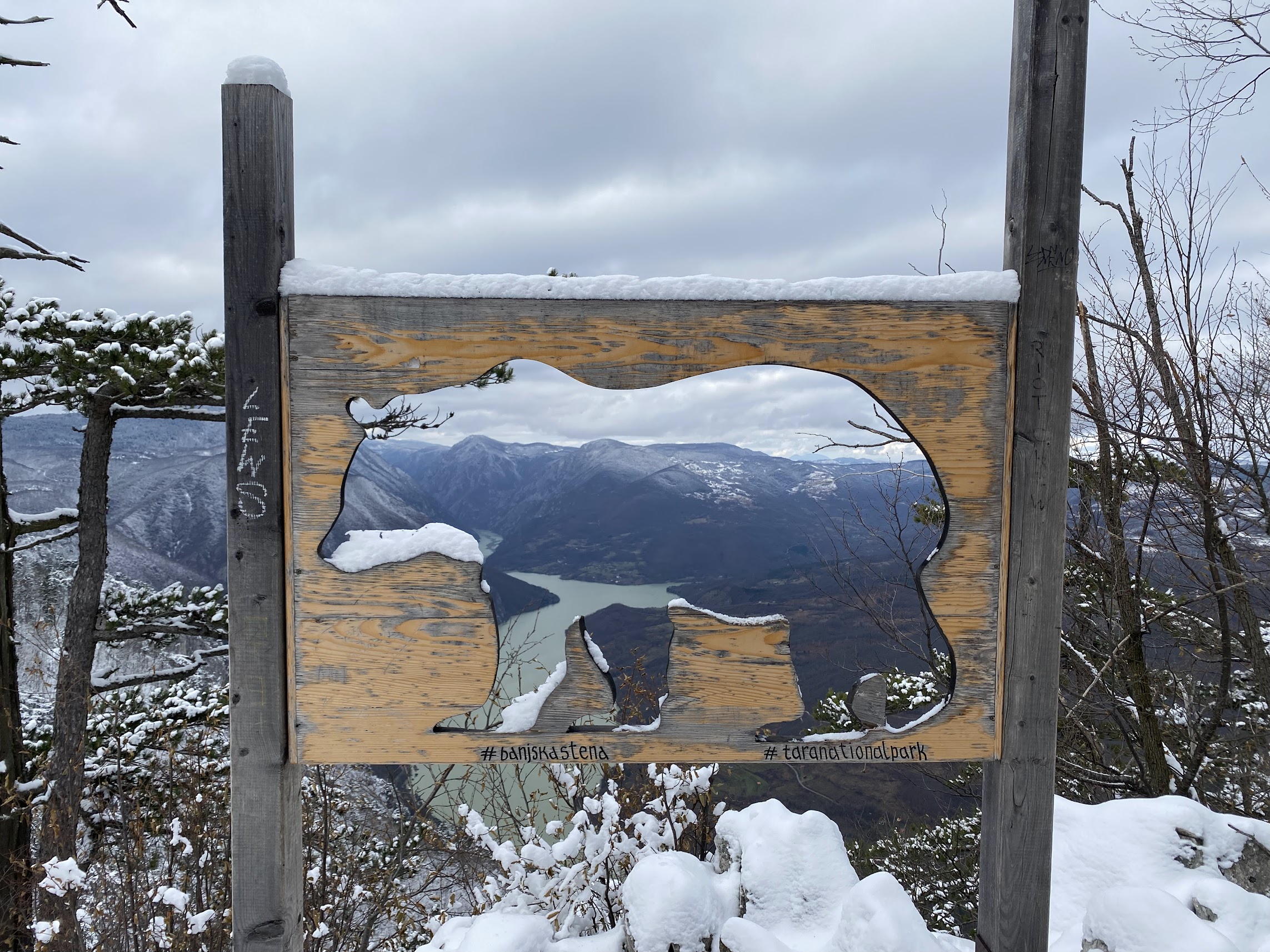
    Banjska Stena is the most famous viewpoint on Tara Mountain and one of the most iconic landscapes in Serbia. From here, the Drina River curves far below, surrounded by steep forested cliffs.

    • Easy to reach by car + short walk
    • Wooden platform with safety railings
    • Best at sunrise or sunset

    This viewpoint alone is reason enough to visit Tara.

    Other Viewpoints

    Other notable viewpoints include:

    • Crnjeskovo
    • Osluša
    • Bilješka stena

    Each offers a slightly different angle and atmosphere, often with fewer visitors than Banjska Stena.


    2) Hiking and Walking Trails

    Tara Mountain has a well-developed network of hiking trails, ranging from easy forest walks to longer routes connecting viewpoints and villages.

    Popular hiking options:

    • Short scenic walks near viewpoints
    • Forest trails through spruce and pine woods
    • Full-day hikes across the plateau

    Trails are generally well-marked, but it is recommended to carry offline maps or ask locals for current conditions.


    3) Explore the Drina River Canyon

    The Drina River forms one of the deepest river canyons in Europe. From Tara Mountain, you see it from above, but you can also explore it more closely.

    Activities include:

    • Scenic drives along canyon roads
    • Boat rides on the Drina or nearby Peručac Lake
    • Kayaking and rafting (seasonal)

    The contrast between calm forest plateaus and the dramatic canyon below is one of Tara’s defining features.


    4) Peručac Lake

    Peručac Lake lies at the foot of Tara Mountain and is a popular summer destination.

    What to do at Peručac:

    • Swimming and sunbathing
    • Boat rentals
    • Lakeside cafés and restaurants
    • Photography, especially in the early morning

    It’s an excellent place to relax after hiking or sightseeing in the mountains.


    5) Visit Local Villages and Ethno Houses

    Tara Mountain is dotted with small villages and rural settlements where traditional life continues at a slow pace.

    You’ll find:

    • Wooden houses and farmsteads
    • Homemade rakija, cheese, honey, and jams
    • Family-run guesthouses

    Staying in a village offers a deeper connection to the region than standard hotels.


    6) Winter on Tara Mountain

    Tara is not a major ski resort, but winter has its own charm:

    • Snow-covered forests
    • Peaceful atmosphere
    • Cross-country skiing and winter hiking
    • Cozy mountain lodges

    Winter visits are best for travelers seeking solitude rather than sports infrastructure.


    Where to Stay on Tara Mountain

    Accommodation on Tara focuses on nature and simplicity rather than luxury.

    Options include:

    • Mountain lodges and hotels in the Kaludjerske Bare area
    • Wooden cabins and cottages
    • Private guesthouses and eco-lodges

    Kaludjerske Bare is the main accommodation hub, offering restaurants, shops, and easy access to trails.

    Booking in advance is recommended during summer and holiday periods.


    Food and Local Cuisine on Tara

    Food on Tara Mountain reflects western Serbian traditions: hearty, simple, and homemade.

    Typical dishes include:

    • Lamb and pork roasted under a metal lid (sač)
    • Homemade cheese and kajmak
    • Beans, stews, and soups
    • Fresh bread and pastries
    • Wild berry desserts and herbal teas

    Meals are often generous and slow-paced, fitting the mountain lifestyle.


    How to Get to Tara Mountain

    By Car

    Driving is the best option. Roads are generally good, but winding and slow in places.

    Common routes:

    • Belgrade → Užice → Bajina Bašta → Tara
    • Zlatibor → Mokra Gora → Tara

    Public Transport

    Public transport options are limited. You can reach Bajina Bašta by bus, but moving around Tara without a car is difficult.


    Best Time to Visit Tara Mountain

    • Spring (May–June): Fresh greenery, waterfalls, blooming meadows
    • Summer (July–August): Best for hiking, viewpoints, and Peručac Lake
    • Autumn (September–October): Spectacular colors, fewer visitors, excellent photography
    • Winter (December–February): Snowy landscapes, quiet atmosphere

    Autumn is often considered the most beautiful season on Tara.


    How Long Should You Stay on Tara Mountain?

    • Day trip: Possible but rushed
    • 2 days: Enough for main viewpoints and light hiking
    • 3–5 days: Ideal for hiking, village life, and full relaxation

    Tara rewards longer stays.


    Tara Mountain vs Zlatibor

    Travelers often compare Tara and Zlatibor:

    • Zlatibor is more developed and tourist-oriented
    • Tara is quieter, wilder, and more natural
    • Tara focuses on forests and canyons; Zlatibor on open meadows

    If you prefer nature over entertainment, Tara is the better choice.

  • Smederevo Fortress, Serbia: A Complete Travel Guide to the Last Capital of Medieval Serbia

    Smederevo Fortress, Serbia: A Complete Travel Guide to the Last Capital of Medieval Serbia

    Smederevo Fortress is one of the largest and most historically significant fortresses in Southeast Europe. Situated directly on the banks of the Danube, just downstream from Belgrade, this massive stone complex once served as the capital of the medieval Serbian state. Today, it stands as a powerful reminder of Serbia’s final centuries of independence before Ottoman conquest.

    This comprehensive travel guide to Smederevo Fortress covers its history, layout, what to see, how to visit, best viewpoints, photography tips, and how to combine the fortress with other attractions in the region. If you are interested in medieval history, large-scale fortifications, or planning a Danube itinerary through Serbia, Smederevo Fortress is an essential stop.


    Why Visit Smederevo Fortress?

    Smederevo Fortress is impressive not because of dramatic cliffs or mountain scenery, but because of its sheer scale and historical weight. Covering more than 11 hectares and built in a triangular shape between two rivers, it is one of the largest lowland fortresses in Europe.

    What makes Smederevo special:

    • It was the last capital of medieval Serbia
    • Its walls and towers stretch along the Danube waterfront
    • The fortress is integrated into the modern city
    • Entry is free and open year-round
    • It offers a rare look at late medieval Balkan military architecture

    Unlike more compact hilltop castles, Smederevo Fortress feels like a fortified city—designed to house an entire court, army, and population.


    Where Is Smederevo Fortress?

    Smederevo Fortress is located in the city of Smederevo, approximately 45 km southeast of Belgrade. It lies at the confluence of the Danube and the Jezava River, which formed a natural defensive barrier during medieval times.

    Distance highlights:

    • Belgrade: ~1 hour by car or train
    • Novi Sad: ~1.5 hours
    • Golubac Fortress: ~1.5 hours by car

    Because of its proximity to Belgrade, Smederevo Fortress is one of the easiest major historical sites in Serbia to visit as a half-day or day trip.


    Historical Background: The Last Serbian Medieval Capital

    Smederevo Fortress was built in the early 15th century by Despot Đurađ Branković, ruler of the Serbian Despotate. After losing Belgrade to the Kingdom of Hungary in 1427, Đurađ needed a new capital—one that was defensible, strategically positioned, and politically neutral between powerful neighbors.

    The chosen location on the Danube allowed:

    • Control of river trade routes
    • Strong natural defenses
    • Rapid construction using river transport for materials

    The fortress became the political, military, and cultural center of medieval Serbia. However, its prominence was short-lived. In 1459, only a few decades after its completion, Smederevo fell to the Ottoman Empire, marking the end of the independent medieval Serbian state.

    Despite damage from warfare, earthquakes, and later industrial use, much of the fortress has survived, making it a site of exceptional historical continuity.


    Architecture and Layout of Smederevo Fortress

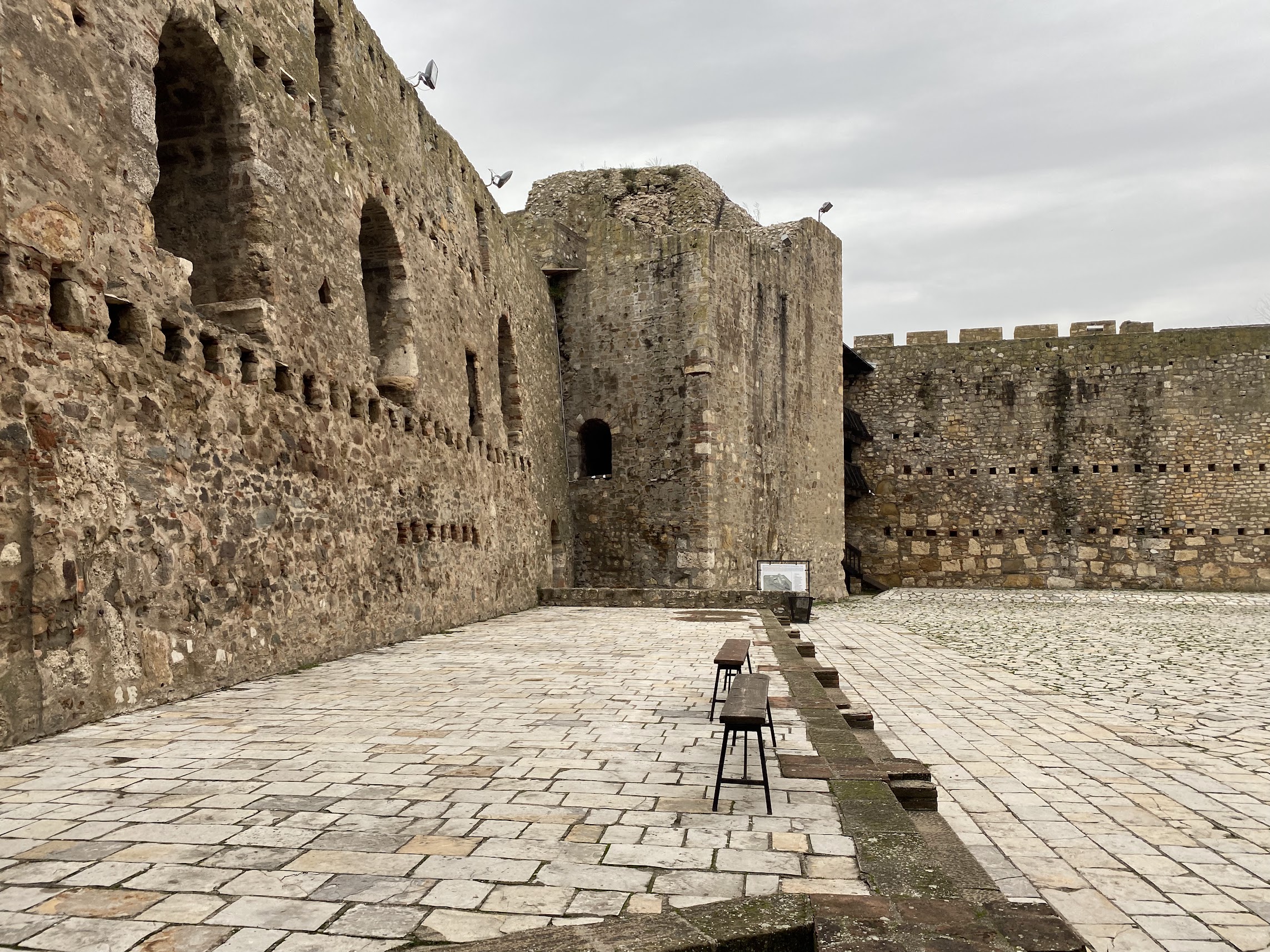
    Smederevo Fortress follows a triangular layout, inspired by Constantinople’s fortifications. It consists of two main sections:

    The Small Town (Mali Grad)

    This inner fortress housed:

    • The ruler’s court
    • Administrative buildings
    • Important religious structures

    It was the most heavily fortified area and served as the final defensive refuge.

    The Big Town (Veliki Grad)

    Surrounding the inner core, the Big Town contained:

    • Military barracks
    • Storage facilities
    • Workshops
    • Civilian population areas

    Together, the fortress includes:

    • Over 25 massive towers
    • Walls up to 25 meters high
    • Thick stone ramparts adapted for both medieval and early gunpowder warfare

    The scale is best appreciated by walking the perimeter—photos alone rarely convey how large the complex truly is.


    Visiting Smederevo Fortress: Practical Information

    Opening Hours and Entry

    One of the most appealing aspects of Smederevo Fortress is accessibility:

    • Open year-round
    • No entrance fee for general access
    • Freely walkable during daylight hours

    Certain areas may occasionally be restricted for safety reasons or events, but most of the fortress remains open to visitors.

    Getting Around Inside the Fortress

    The terrain is mostly flat, with grassy areas, stone paths, and wide open spaces. Unlike cliffside fortresses, Smederevo is suitable for:

    • Families with children
    • Casual walkers
    • Visitors with limited mobility (some uneven surfaces apply)

    Climbing towers is generally restricted, but the scale of the walls and courtyards more than compensates.


    What to See at Smederevo Fortress

    The Danube Walls

    The fortress walls facing the Danube are among its most striking features. Walking along this section offers uninterrupted river views and a strong sense of how the fortress controlled water traffic.

    Cargo ships and river cruisers passing close to the walls create a unique contrast between medieval architecture and modern transport.

    Towers and Ramparts

    The numerous towers vary in shape and size, reflecting different defensive roles. While most are not open for climbing, their spacing and mass illustrate the fortress’s military logic.

    Look for:

    • Corner towers with wider bases
    • River-facing defensive positions
    • Gate towers controlling access points

    Jezava River Side

    The Jezava side of the fortress is quieter and often less visited. It’s a good area for photography and reflection, especially in the morning or late afternoon.

    Historical Markers and Remains

    Throughout the fortress, informational panels and visible foundations mark:

    • Former palace structures
    • Religious buildings
    • Industrial reuse during later centuries

    These traces help visitors imagine the fortress as a functioning medieval capital rather than a static ruin.


    Best Views and Photography Tips

    Smederevo Fortress offers excellent photography opportunities despite its lowland location.

    Best photo spots:

    • Danube-facing walls at sunset
    • Wide shots from inside the Big Town
    • Exterior views from the river promenade
    • Tower silhouettes against the sky

    For the best light, visit early morning or late afternoon. The fortress’s stone surfaces respond well to angled light, emphasizing texture and scale.


    Things to Do Around Smederevo Fortress

    Walk the Danube Promenade

    Just outside the fortress walls, the Danube promenade is ideal for a relaxed walk after sightseeing. Cafés and benches along the river make it easy to extend your visit without rushing.

    Explore the City of Smederevo

    Smederevo itself is calm and approachable. While not a major tourist hub, it offers:

    • Local restaurants
    • Wine shops featuring regional vineyards
    • Parks and river views

    The city pairs well with the fortress, creating a balanced half-day experience.

    Wine Routes of the Danube Region

    The area around Smederevo is known for viticulture, with a tradition dating back to Roman times. If you have a car, consider visiting nearby wineries or wine cellars as part of your trip.


    How to Get to Smederevo Fortress

    By Car

    Driving from Belgrade is fast and straightforward. Parking is available near the fortress and in surrounding streets.

    By Train

    Regular trains connect Belgrade and Smederevo. The train station is within walking distance of the fortress, making this one of the easiest car-free day trips in Serbia.

    By Bus

    Buses run frequently from Belgrade and other regional centers. Travel times are comparable to trains.


    Best Time to Visit Smederevo Fortress

    • Spring (April–June): Mild temperatures, green grounds, excellent walking conditions
    • Summer (July–August): Hot but manageable due to open space and river breeze
    • Autumn (September–October): Ideal light, fewer visitors, comfortable weather
    • Winter (November–March): Atmospheric but colder; best for short visits

    Because it is open and spacious, Smederevo Fortress is less affected by crowds than many tourist sites.


    How Long Should You Spend at Smederevo Fortress?

    • Quick visit: 45–60 minutes
    • Standard visit: 1.5–2 hours
    • Combined city walk: Half day

    Its proximity to Belgrade makes it easy to fit into almost any travel plan.


    Smederevo Fortress vs Other Serbian Fortresses

    Compared to Golubac or Kalemegdan:

    • Smederevo is flatter and larger
    • Less dramatic scenery, but more monumental scale
    • Stronger emphasis on political history than military spectacle

    Each fortress tells a different chapter of Serbian history, and Smederevo represents the final medieval one.

  • Golubac Fortress, Serbia: A Complete Travel Guide to the Guardian of the Danube

    Golubac Fortress, Serbia: A Complete Travel Guide to the Guardian of the Danube

    Golubac Fortress is one of Serbia’s most dramatic historical landmarks. Rising directly from the banks of the Danube at the entrance to the Iron Gates Gorge, this medieval stronghold looks less like a ruin and more like a fortress frozen in time. With massive stone towers, sheer cliffs, and the wide river stretching beneath it, Golubac Fortress is both a cultural monument and a natural spectacle.

    This in-depth travel guide covers everything you need to know before visiting Golubac Fortress: its history, what to see, how to get there, ticket zones, best viewpoints, photography tips, and how to combine the visit with nearby attractions. If you are searching for one of the most impressive castles in Serbia or planning a Danube road trip, Golubac Fortress deserves a top place on your itinerary.


    Why Visit Golubac Fortress?

    Golubac Fortress is not just another medieval ruin. Its location alone makes it exceptional. Built at a strategic narrowing of the Danube, the fortress once controlled river traffic between Central Europe and the Balkans. Today, it marks the western gateway to the Iron Gates Gorge, where the river cuts between the Carpathian and Balkan mountains.

    What sets Golubac apart is the combination of:

    • A spectacular natural setting
    • A well-preserved medieval structure
    • Modern restoration that allows safe and informative access
    • Easy integration into a day trip or longer eastern Serbia itinerary

    Unlike many castles that sit isolated on hills, Golubac Fortress interacts directly with the landscape. The river, cliffs, wind, and light are part of the experience.


    Where Is Golubac Fortress?

    Golubac Fortress is located in eastern Serbia, near the town of Golubac, directly on the Danube River. It sits at the entrance to the Iron Gates Gorge, one of the most impressive natural corridors in Europe.

    Approximate distances:

    • Belgrade: ~130 km (about 2.5 hours by car)
    • Đerdap National Park: immediately adjacent
    • Romania: visible across the river on clear days

    The fortress is impossible to miss: the main road passes directly beside it, and the towers rise sharply from the water’s edge.


    A Brief History of Golubac Fortress

    Golubac Fortress dates back to the late 13th or early 14th century, though the exact origin is still debated by historians. Its strategic importance came from its position on the Danube, where chains were once stretched across the river to control and tax passing ships.

    Over the centuries, the fortress changed hands many times, reflecting the turbulent history of the region:

    • Medieval Serbian rulers
    • The Kingdom of Hungary
    • The Ottoman Empire

    Each power adapted and expanded the fortress, resulting in a complex structure with multiple construction phases. By the time firearms became dominant, Golubac had evolved into a formidable defensive system with towers positioned at different heights and angles.

    Eventually, the fortress lost its military relevance and fell into ruin. Major restoration efforts in the 21st century transformed it into one of Serbia’s best-preserved and most visitor-friendly medieval sites.


    Architecture and Layout: What Makes Golubac Unique

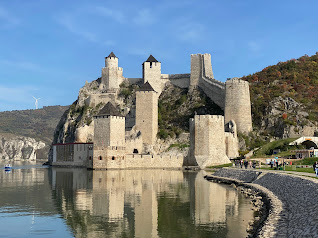
    Golubac Fortress consists of ten towers, connected by thick stone walls that follow the natural shape of the rock. The towers vary in shape—square, rectangular, and circular—reflecting different construction periods and defensive needs.

    Key architectural features include:

    • Towers rising directly from the Danube
    • Upper fortifications embedded into steep cliffs
    • Narrow staircases and elevated walkways
    • Strategic viewpoints overlooking the river corridor

    The fortress is divided into zones, which makes it accessible to visitors with different fitness levels while preserving more demanding sections for experienced hikers.


    Visiting Golubac Fortress: Practical Information

    Ticket Zones and Access Levels

    Golubac Fortress is divided into several visiting zones, usually labeled from basic to advanced. These zones determine how much of the fortress you can access.

    • Green Zone: Easy access, suitable for all visitors. Includes lower towers and main courtyards.
    • Blue Zone: Moderate difficulty, with stairs and elevated sections.
    • Red/Black Zones: Advanced routes with steep climbs and exposed paths. Recommended only for physically fit visitors and those comfortable with heights.

    Most visitors choose the Green or Blue zones and still get an excellent experience.

    Opening Hours and Tickets

    Opening hours vary by season, with longer hours in spring and summer. Tickets are purchased on-site, and prices depend on the zone selected.

    It is strongly recommended to check current hours and availability before visiting, especially outside peak season or in bad weather.


    What to See Inside Golubac Fortress

    The Lower Fortress and River Towers

    The lower section of Golubac Fortress sits right on the Danube. These towers once controlled river traffic and are among the most photogenic parts of the site. From here, the river feels immense, especially when large cargo ships pass by.

    The Upper Fortress and Cliffside Walls

    The upper sections climb steeply into the rock. From higher towers, the view opens over the Danube and the entrance to the Iron Gates Gorge. On clear days, the scale of the landscape becomes fully apparent.

    Interpretive Exhibits

    Modern restoration included informational panels and exhibits that explain:

    • The fortress’s construction phases
    • Daily life in medieval times
    • Military strategy and river control

    These additions are subtle and do not overwhelm the historical atmosphere.


    Best Views and Photo Spots at Golubac Fortress

    Golubac Fortress is one of the most photogenic places in Serbia. The best viewpoints include:

    • Roadside viewpoint before arrival: A classic panoramic angle with the entire fortress and river.
    • Lower river towers: Ideal for dramatic, close-up shots with water and stone.
    • Upper walls: Perfect for wide-angle photos of the Danube gorge.
    • Sunset side: Late afternoon light highlights the texture of the stone and softens the cliffs.

    For photography, early morning and late afternoon offer the best light and fewer crowds.


    Combining Golubac Fortress with Nearby Attractions

    Đerdap National Park

    Golubac Fortress lies at the western entrance of Đerdap National Park, Serbia’s largest national park. The park includes:

    • The Iron Gates Gorge
    • Scenic viewpoints
    • Hiking trails
    • Archaeological sites

    If you have a full day, combine a fortress visit with a drive deeper into the gorge.

    Lepenski Vir Archaeological Site

    A short drive from Golubac, Lepenski Vir is one of Europe’s most important Mesolithic archaeological sites. It offers insight into prehistoric river cultures and pairs well with the medieval history of Golubac.

    The Town of Golubac

    The town itself is small and relaxed, with riverfront cafés and restaurants. It’s a good place for lunch or a short walk after visiting the fortress.


    How to Get to Golubac Fortress

    By Car

    Driving is the easiest and most flexible option. The road from Belgrade follows the Danube for much of the route and is scenic in its own right.

    By Bus

    Buses run from Belgrade to Golubac, but schedules may be limited. From the town, the fortress is within walking distance or a short taxi ride.

    Guided Tours

    Many day tours from Belgrade include Golubac Fortress, often combined with Lepenski Vir or a Danube cruise.


    Best Time to Visit Golubac Fortress

    • Spring (April–June): Ideal weather, green landscape, comfortable temperatures.
    • Summer (July–August): Very scenic but can be hot, especially in the upper sections.
    • Autumn (September–October): Excellent light, fewer crowds, cooler air.
    • Winter (November–March): Dramatic atmosphere, but access may be limited and weather unpredictable.

    For most travelers, late spring and early autumn offer the best balance.


    Tips for Visiting Golubac Fortress

    • Wear sturdy shoes, especially if accessing upper zones
    • Bring water in warm months
    • Be cautious in windy conditions
    • Follow safety instructions strictly in advanced zones
    • Plan extra time for viewpoints and photos

    How Long Should You Spend at Golubac Fortress?

    • Quick stop: 45–60 minutes (lower fortress only)
    • Standard visit: 1.5–2 hours
    • In-depth exploration: 3 hours, including upper zones and photography

    If you are combining it with nearby sites, plan a full day in the area.

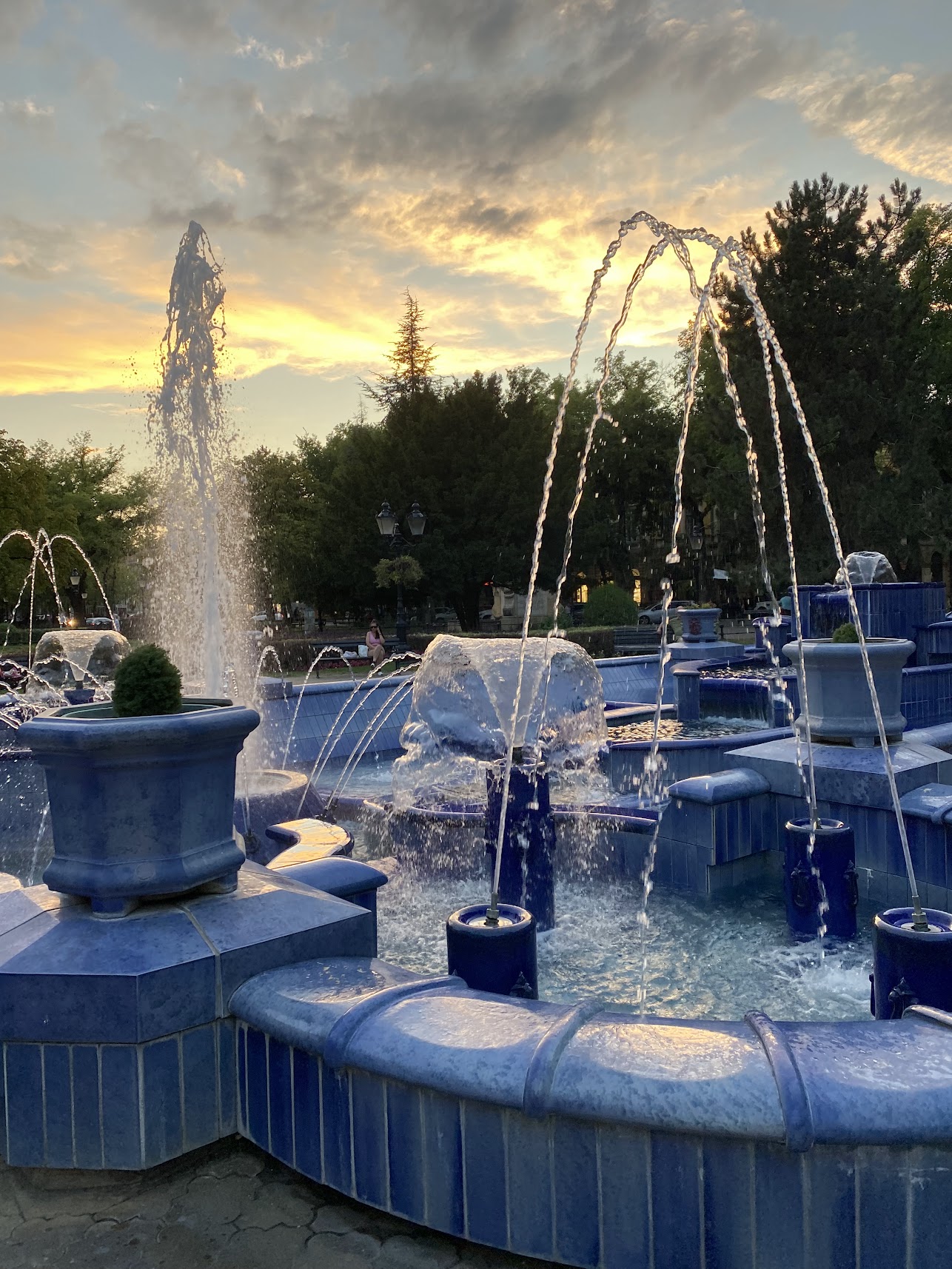
  • Subotica: A Complete Travel Guide to the City of Art Nouveau

    Subotica: A Complete Travel Guide to the City of Art Nouveau

    Subotica is one of Serbia’s most distinctive cities—a place where Central European elegance meets the relaxed rhythm of the Pannonian plain. Located in the far north of the country, close to the Hungarian border, Subotica is known for its remarkable Art Nouveau (Secession) architecture, multicultural heritage, lively food scene, and easy access to nature at Palić Lake. For travelers who enjoy walkable city centers, beautiful buildings, café culture, and day trips without complicated logistics, Subotica is a rewarding destination.

    This guide covers what to see in Subotica, what to do, where to eat, how to get around, and how to plan a perfect one- or two-day visit. If you’re looking for the best attractions in Subotica, you’ll find them here—along with practical tips to make the most of your time.

    Why Visit Subotica?

    Subotica feels different from many other Serbian cities. Its architecture is the first giveaway: colorful façades, floral motifs, curved lines, stained glass, and decorative ceramics that are typical of early 20th-century Art Nouveau. The city was shaped by historical layers—from the Austro-Hungarian period to modern Serbia—resulting in a strong Central European atmosphere. That influence shows up everywhere: in urban planning, the café tradition, pastries, and the overall look and feel of the main square.

    Subotica is also a great base for exploring northern Vojvodina. You can combine city sightseeing with a lakeside escape at Palić, wine tasting in the region, or a slow afternoon discovering local food. The city is compact, friendly, and easy to explore on foot.

    Where Is Subotica and How to Get There?

    Subotica is in northern Serbia (Vojvodina), roughly 10 km from the Hungarian border. It’s commonly visited as a day trip from Novi Sad or as a weekend stop on a route between Belgrade and Budapest.

    Getting to Subotica:

    • By train: There are train connections from Belgrade and Novi Sad, though schedules and travel times can vary depending on the route and works on the lines. Check current timetables before you go.
    • By bus: Buses are typically frequent from Novi Sad and Belgrade and are often the simplest option.
    • By car: Driving is straightforward, with good road connections across Vojvodina’s flat landscape.

    Once you arrive, the center is walkable. For Palić Lake and nearby spots, a taxi or local bus is usually enough.

    Best Time to Visit Subotica

    Subotica is enjoyable year-round, but the experience changes by season:

    • Spring (April–June): Comfortable weather, great for walking tours and café terraces.
    • Summer (July–August): Warm and lively, especially around Palić. Expect higher temperatures.
    • Autumn (September–October): Excellent for sightseeing, food, and a calmer atmosphere.
    • Winter (November–February): Quieter and colder, but still worth visiting for architecture and cozy cafés.

    If your priority is combining Subotica with time by the lake, late spring to early autumn is ideal.

    Top Things to Do in Subotica

    1) Explore the City Center and Korzo

    Start with the heart of Subotica: the pedestrian streets around the main square and the Korzo promenade. This is where the city’s architectural highlights cluster, and where you’ll feel the city’s rhythm—locals walking, meeting for coffee, and browsing shops.

    Walking the center is one of the best things to do in Subotica because so much of the city’s character is in the details: decorative façades, balconies, colorful tiles, and the way the streets open into small squares. If you like photography, go slowly—Subotica rewards attention.

    2) Subotica City Hall (Gradska kuća)

    Subotica City Hall is the city’s landmark and one of the finest examples of Secession architecture in Serbia. It dominates the main square with a vibrant exterior and a tower that often becomes the icon of any Subotica travel guide.

    What makes City Hall special is not just its size but its craftsmanship. Look for the ornamental decorations, the distinct color palette, and the patterns that repeat across the building. If you can go inside (availability can vary), it’s worth it—especially for stained glass and interior décor.

    Tip: If there is an option to visit the tower, take it. Views from above give you a better sense of Subotica’s layout and the flat horizon of Vojvodina.

    3) The Raichle Palace (Palata Rajhl)

    If you’re interested in Art Nouveau, the Raichle Palace is a must-see in Subotica. It’s often considered one of the city’s most beautiful buildings—imaginative, richly decorated, and slightly whimsical in form.

    Even if you only admire it from outside, it belongs on your route. It’s a great example of how bold and playful Secession architecture can be: curved lines, decorative surfaces, and an overall design that feels artistic rather than purely functional.

    4) The Synagogue of Subotica

    Subotica’s synagogue is widely regarded as one of the most impressive synagogues in the region, known for its Art Nouveau style and distinctive interior design. It’s also a place that reflects the city’s multicultural history.

    Visiting the synagogue (when open) is a highlight for architecture lovers. It’s worth checking opening times in advance, as access can depend on events, maintenance, and seasonal hours.

    5) The Main Square: Monuments, Churches, and Atmosphere

    Subotica’s central square isn’t just a transit point—it’s a destination. Take time to look around, sit down for a coffee, and absorb the environment. You’ll find a mix of civic buildings, monuments, and religious architecture.

    Subotica has several churches representing different communities and periods. Even if you’re not doing a deep cultural itinerary, stepping into one church during your walk adds texture to the experience and helps explain why the city’s identity feels layered.

    6) Museum of Subotica (City Museum)

    If you want context beyond architecture—history, local culture, ethnography—the City Museum can be a good stop. Museums are especially useful if you’re visiting on a day with colder weather or if you want a deeper understanding of Vojvodina’s diverse communities.

    Not every traveler prioritizes museums, but if you enjoy learning the “why” behind a city’s look and atmosphere, add it to your itinerary.

    7) Take a Day Trip to Palić Lake

    Palić Lake is the most popular excursion from Subotica, and for good reason. It offers a different pace: lakeside walking paths, greenery, and a resort-style atmosphere that contrasts with the city’s architectural sightseeing.

    Palić is especially nice in warm months, when you can spend a few hours strolling, having lunch by the water, and enjoying the outdoors. The architecture at Palić also has charm—look out for historic buildings connected to its past as a spa and leisure destination.

    If you have one full day in the area, consider splitting it: Subotica in the morning and early afternoon, then Palić later for sunset and dinner.

    8) Discover Local Food and Vojvodina Specialties

    Subotica is a great place to try northern Serbian and Vojvodina cuisine, which often leans toward Central European influences. Expect hearty dishes, soups, meats, paprika-forward flavors, and excellent pastries.

    Look for:

    • Local-style stews and grilled meats
    • Dishes influenced by Hungarian cuisine
    • Seasonal peppers, pickles, and rich side dishes
    • Desserts and cakes in the café tradition

    Even if you don’t plan a “food tour,” building in time for a long lunch is part of the Subotica experience.

    9) Enjoy Café Culture and Slow Travel

    One of the best ways to experience Subotica is simply to slow down. The city’s café culture is strong, and the center is designed for walking and sitting. Take breaks, watch local life, and let your itinerary breathe.

    This matters for travel planning: Subotica isn’t a place where you need to rush from attraction to attraction. The mood is part of the attraction.

    Suggested Itineraries

    One-Day Subotica Itinerary

    Morning

    • Walk the center and Korzo
    • Visit Subotica City Hall and the main square
    • Stop at the synagogue (if open)

    Lunch

    • Choose a traditional restaurant or a café with local dishes

    Afternoon

    • See Raichle Palace
    • Optional: City Museum
    • Coffee and dessert in the center

    Evening

    • If time allows, head to Palić for a lakeside walk and dinner

    Two-Day Subotica Itinerary

    Day 1: Architecture + City Center

    • City Hall, main square, synagogue, Korzo
    • Raichle Palace
    • Slow evening with food and cafés

    Day 2: Palić + Relaxed Exploration

    • Half-day at Palić Lake
    • Return to Subotica for any missed sights
    • Explore neighborhoods outside the strict center for a more local feel

    Two days is perfect if you want to travel at a comfortable pace and include time for food, cafés, and the lake without feeling rushed.

    Practical Travel Tips for Subotica

    Getting Around

    • On foot: Best for the city center.
    • Taxi/local transport: Useful for Palić or if you’re staying outside the center.
    • Car: Helpful if you’re doing regional trips, but not necessary for central sightseeing.

    Language and Local Culture

    Subotica is multicultural; you may hear Serbian and Hungarian among other languages. In tourist-facing places, English is often understood at a basic level, especially among younger people, but learning a few Serbian phrases always helps.

    Money

    Serbia uses the Serbian dinar (RSD). Cards are widely accepted in many places, but it’s smart to have cash for smaller cafés or local shops.

    How Long to Stay

    • A few hours: Enough for a quick walk and seeing the main square.
    • One day: Ideal for highlights plus a relaxed lunch.
    • Two days: Best overall, especially if you want Palić.

    Best Photo Spots in Subotica

    If you’re looking for the most photogenic places in Subotica, prioritize:

    • Subotica City Hall (especially from different angles around the square)
    • Details of façades along Korzo
    • Raichle Palace (front and side views)
    • The synagogue (when open, interior is especially striking)
    • Palić Lake promenade at golden hour

    Architectural photography in Subotica is all about details—tiles, stained glass, ornamentation, curves, and symmetry.

  • Uvac Canyon: Serbia’s Hidden Jewel of Winding Rivers and Soaring Cliffs

    Uvac Canyon: Serbia’s Hidden Jewel of Winding Rivers and Soaring Cliffs

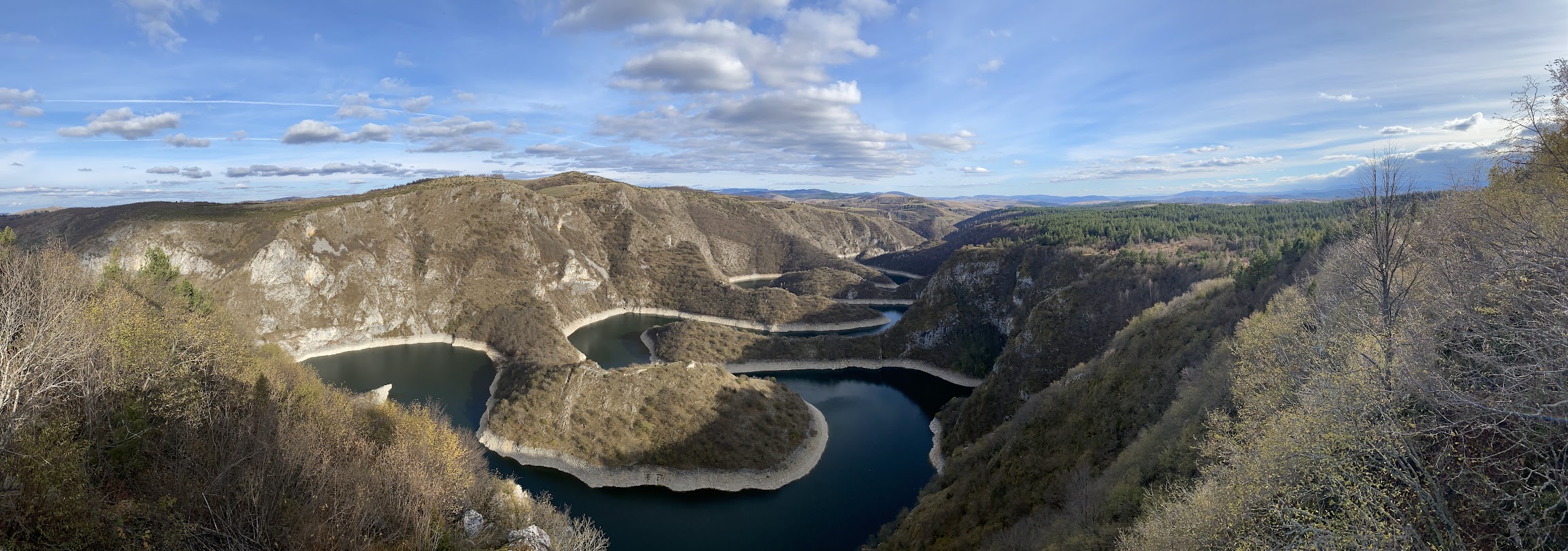
    If you’ve ever dreamt of discovering a place where nature runs wild and the landscapes leave you speechless—welcome to Uvac Canyon. Nestled between the towns of Sjenica and Nova Varoš in southwestern Serbia, this natural marvel is like something straight out of a fantasy novel. Towering cliffs, jaw-dropping river meanders, secret caves, and even griffon vultures with 3-meter wingspans… Uvac is an adventure you’ll never forget.


    What is Uvac Canyon?

    Carved by the persistent flow of the Uvac River over thousands of years, the canyon is a masterpiece of limestone erosion. It stretches through the Uvac Special Nature Reserve, offering sweeping views of serpentine bends and dramatic vertical drops. Some of the cliffs rise over 300 meters above the river—perfect for an epic photo or two.

    More than just a pretty view, the area is a protected nature reserve and a hotspot for biodiversity, especially famous for its successful reintroduction of the rare griffon vulture.

    Griffon vulture landing in field. Spain.

    How to Get There

    The canyon is about a 4–5 hour drive from Belgrade. If you’re using public transportation, aim for Nova Varoš or Sjenica, then catch a local taxi or join a guided tour. But for full freedom (and better access to viewpoints), renting a car is your best bet.

    There are signs along the way, but some parts of the journey lead through winding mountain roads, so download your map offline just in case.


    What to Do in Uvac Canyon

    This is not just a place you look at—Uvac is a place you experience.

    1. Boat Tours and Hikes

    Take a scenic boat ride through the meanders and hop off to hike to some of the best viewpoints. The most famous one? Molitva (Prayer Viewpoint)—and yes, the view might just make you say a little prayer of awe.

    2. Explore the Ice Cave

    Accessible only by boat and a short climb, the Ledena Pećina (Ice Cave) is a magical underworld full of stalactites and chilly beauty. Tours usually include a guide who’ll light the way and share stories of the cave’s formation.

    3. Spot Griffon Vultures

    With wingspans stretching up to 3 meters, these majestic birds glide effortlessly above the cliffs. Bring binoculars and a bit of patience—spotting one in flight is absolutely worth the wait.


    Where to Stay and Eat

    Looking to sleep with a view? Check out Etno Selo Molitva—a cozy, rustic spot perched on the canyon edge. It’s not a 5-star resort, but waking up to a sunrise over the canyon? Absolutely priceless.

    Craving local flavors? Try the traditional cuisine at Etno Selo Kaćo or in nearby towns—expect hearty meat dishes, fresh cheese, and homemade bread.


    What Else to Explore Nearby

    Zlatar Lake – Great for swimming, kayaking, or just relaxing by the water.

    Sjenica Plateau – A paradise for birdwatchers and photographers.

    Nova Varoš – A charming town with markets, cafes, and local history.


    Why Uvac Belongs on Your Bucket List

    Uvac isn’t just a pretty place—it’s a full-body, soul-filling experience. Whether you’re a hiker, nature lover, photographer, or someone just craving peace and perspective, this canyon wraps you in wonder and doesn’t let go.

    So pack your hiking boots, charge your camera, and set your GPS for one of Serbia’s most unforgettable landscapes. Trust us—Uvac is a journey you’ll tell stories about for years.