
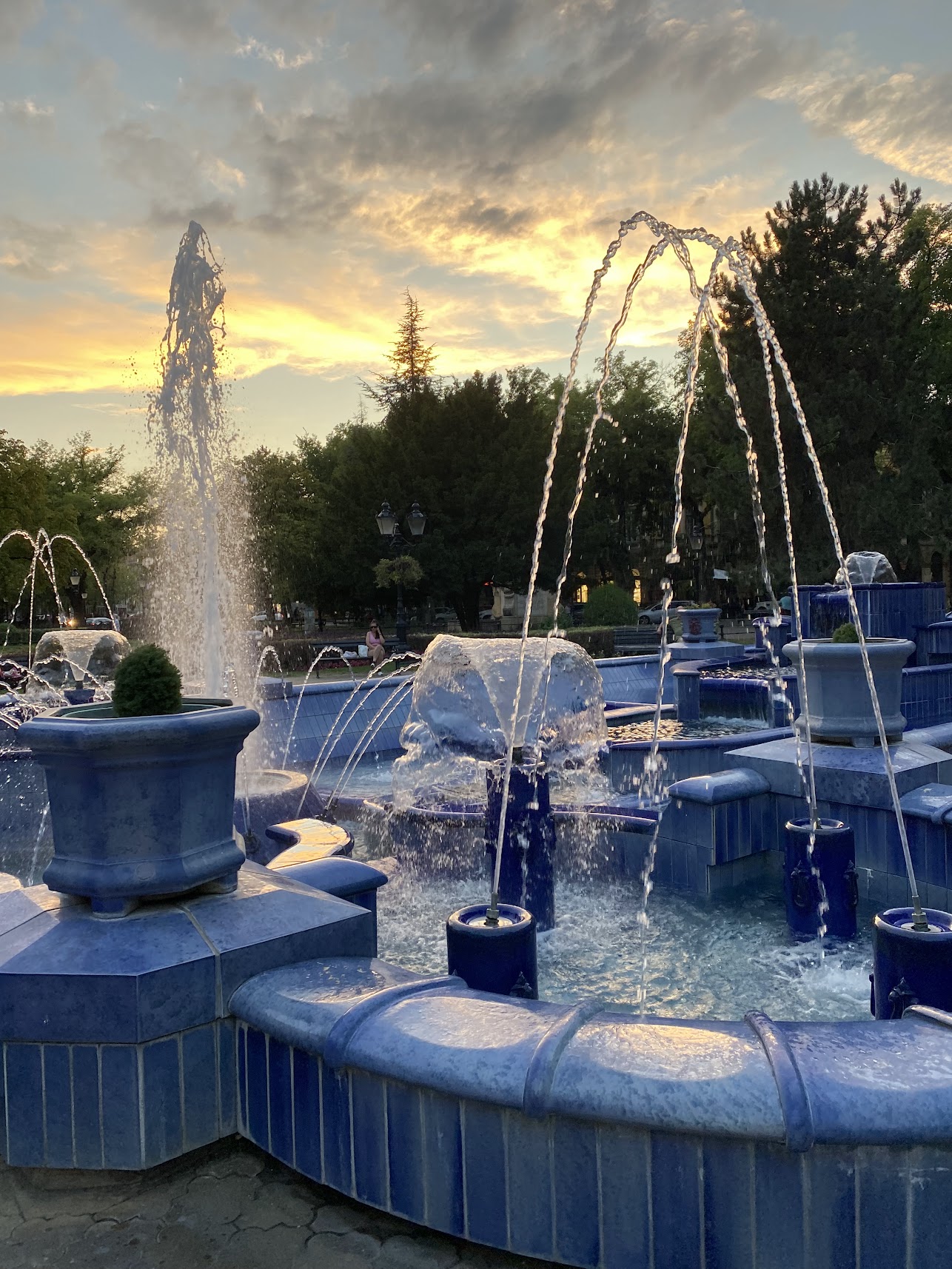

Subotica is one of Serbia’s most distinctive cities—a place where Central European elegance meets the relaxed rhythm of the Pannonian plain. Located in the far north of the country, close to the Hungarian border, Subotica is known for its remarkable Art Nouveau (Secession) architecture, multicultural heritage, lively food scene, and easy access to nature at Palić Lake. For travelers who enjoy walkable city centers, beautiful buildings, café culture, and day trips without complicated logistics, Subotica is a rewarding destination.
This guide covers what to see in Subotica, what to do, where to eat, how to get around, and how to plan a perfect one- or two-day visit. If you’re looking for the best attractions in Subotica, you’ll find them here—along with practical tips to make the most of your time.
Why Visit Subotica?
Subotica feels different from many other Serbian cities. Its architecture is the first giveaway: colorful façades, floral motifs, curved lines, stained glass, and decorative ceramics that are typical of early 20th-century Art Nouveau. The city was shaped by historical layers—from the Austro-Hungarian period to modern Serbia—resulting in a strong Central European atmosphere. That influence shows up everywhere: in urban planning, the café tradition, pastries, and the overall look and feel of the main square.
Subotica is also a great base for exploring northern Vojvodina. You can combine city sightseeing with a lakeside escape at Palić, wine tasting in the region, or a slow afternoon discovering local food. The city is compact, friendly, and easy to explore on foot.
Where Is Subotica and How to Get There?
Subotica is in northern Serbia (Vojvodina), roughly 10 km from the Hungarian border. It’s commonly visited as a day trip from Novi Sad or as a weekend stop on a route between Belgrade and Budapest.
Getting to Subotica:
- By train: There are train connections from Belgrade and Novi Sad, though schedules and travel times can vary depending on the route and works on the lines. Check current timetables before you go.
- By bus: Buses are typically frequent from Novi Sad and Belgrade and are often the simplest option.
- By car: Driving is straightforward, with good road connections across Vojvodina’s flat landscape.
Once you arrive, the center is walkable. For Palić Lake and nearby spots, a taxi or local bus is usually enough.
Best Time to Visit Subotica
Subotica is enjoyable year-round, but the experience changes by season:
- Spring (April–June): Comfortable weather, great for walking tours and café terraces.
- Summer (July–August): Warm and lively, especially around Palić. Expect higher temperatures.
- Autumn (September–October): Excellent for sightseeing, food, and a calmer atmosphere.
- Winter (November–February): Quieter and colder, but still worth visiting for architecture and cozy cafés.
If your priority is combining Subotica with time by the lake, late spring to early autumn is ideal.
Top Things to Do in Subotica
1) Explore the City Center and Korzo
Start with the heart of Subotica: the pedestrian streets around the main square and the Korzo promenade. This is where the city’s architectural highlights cluster, and where you’ll feel the city’s rhythm—locals walking, meeting for coffee, and browsing shops.
Walking the center is one of the best things to do in Subotica because so much of the city’s character is in the details: decorative façades, balconies, colorful tiles, and the way the streets open into small squares. If you like photography, go slowly—Subotica rewards attention.
2) Subotica City Hall (Gradska kuća)
Subotica City Hall is the city’s landmark and one of the finest examples of Secession architecture in Serbia. It dominates the main square with a vibrant exterior and a tower that often becomes the icon of any Subotica travel guide.
What makes City Hall special is not just its size but its craftsmanship. Look for the ornamental decorations, the distinct color palette, and the patterns that repeat across the building. If you can go inside (availability can vary), it’s worth it—especially for stained glass and interior décor.
Tip: If there is an option to visit the tower, take it. Views from above give you a better sense of Subotica’s layout and the flat horizon of Vojvodina.
3) The Raichle Palace (Palata Rajhl)
If you’re interested in Art Nouveau, the Raichle Palace is a must-see in Subotica. It’s often considered one of the city’s most beautiful buildings—imaginative, richly decorated, and slightly whimsical in form.
Even if you only admire it from outside, it belongs on your route. It’s a great example of how bold and playful Secession architecture can be: curved lines, decorative surfaces, and an overall design that feels artistic rather than purely functional.
4) The Synagogue of Subotica
Subotica’s synagogue is widely regarded as one of the most impressive synagogues in the region, known for its Art Nouveau style and distinctive interior design. It’s also a place that reflects the city’s multicultural history.
Visiting the synagogue (when open) is a highlight for architecture lovers. It’s worth checking opening times in advance, as access can depend on events, maintenance, and seasonal hours.
5) The Main Square: Monuments, Churches, and Atmosphere
Subotica’s central square isn’t just a transit point—it’s a destination. Take time to look around, sit down for a coffee, and absorb the environment. You’ll find a mix of civic buildings, monuments, and religious architecture.
Subotica has several churches representing different communities and periods. Even if you’re not doing a deep cultural itinerary, stepping into one church during your walk adds texture to the experience and helps explain why the city’s identity feels layered.
6) Museum of Subotica (City Museum)
If you want context beyond architecture—history, local culture, ethnography—the City Museum can be a good stop. Museums are especially useful if you’re visiting on a day with colder weather or if you want a deeper understanding of Vojvodina’s diverse communities.
Not every traveler prioritizes museums, but if you enjoy learning the “why” behind a city’s look and atmosphere, add it to your itinerary.
7) Take a Day Trip to Palić Lake
Palić Lake is the most popular excursion from Subotica, and for good reason. It offers a different pace: lakeside walking paths, greenery, and a resort-style atmosphere that contrasts with the city’s architectural sightseeing.
Palić is especially nice in warm months, when you can spend a few hours strolling, having lunch by the water, and enjoying the outdoors. The architecture at Palić also has charm—look out for historic buildings connected to its past as a spa and leisure destination.
If you have one full day in the area, consider splitting it: Subotica in the morning and early afternoon, then Palić later for sunset and dinner.
8) Discover Local Food and Vojvodina Specialties
Subotica is a great place to try northern Serbian and Vojvodina cuisine, which often leans toward Central European influences. Expect hearty dishes, soups, meats, paprika-forward flavors, and excellent pastries.
Look for:
- Local-style stews and grilled meats
- Dishes influenced by Hungarian cuisine
- Seasonal peppers, pickles, and rich side dishes
- Desserts and cakes in the café tradition
Even if you don’t plan a “food tour,” building in time for a long lunch is part of the Subotica experience.
9) Enjoy Café Culture and Slow Travel
One of the best ways to experience Subotica is simply to slow down. The city’s café culture is strong, and the center is designed for walking and sitting. Take breaks, watch local life, and let your itinerary breathe.
This matters for travel planning: Subotica isn’t a place where you need to rush from attraction to attraction. The mood is part of the attraction.
Suggested Itineraries
One-Day Subotica Itinerary
Morning
- Walk the center and Korzo
- Visit Subotica City Hall and the main square
- Stop at the synagogue (if open)
Lunch
- Choose a traditional restaurant or a café with local dishes
Afternoon
- See Raichle Palace
- Optional: City Museum
- Coffee and dessert in the center
Evening
- If time allows, head to Palić for a lakeside walk and dinner
Two-Day Subotica Itinerary
Day 1: Architecture + City Center
- City Hall, main square, synagogue, Korzo
- Raichle Palace
- Slow evening with food and cafés
Day 2: Palić + Relaxed Exploration
- Half-day at Palić Lake
- Return to Subotica for any missed sights
- Explore neighborhoods outside the strict center for a more local feel
Two days is perfect if you want to travel at a comfortable pace and include time for food, cafés, and the lake without feeling rushed.
Practical Travel Tips for Subotica
Getting Around
- On foot: Best for the city center.
- Taxi/local transport: Useful for Palić or if you’re staying outside the center.
- Car: Helpful if you’re doing regional trips, but not necessary for central sightseeing.
Language and Local Culture
Subotica is multicultural; you may hear Serbian and Hungarian among other languages. In tourist-facing places, English is often understood at a basic level, especially among younger people, but learning a few Serbian phrases always helps.
Money
Serbia uses the Serbian dinar (RSD). Cards are widely accepted in many places, but it’s smart to have cash for smaller cafés or local shops.
How Long to Stay
- A few hours: Enough for a quick walk and seeing the main square.
- One day: Ideal for highlights plus a relaxed lunch.
- Two days: Best overall, especially if you want Palić.
Best Photo Spots in Subotica
If you’re looking for the most photogenic places in Subotica, prioritize:
- Subotica City Hall (especially from different angles around the square)
- Details of façades along Korzo
- Raichle Palace (front and side views)
- The synagogue (when open, interior is especially striking)
- Palić Lake promenade at golden hour
Architectural photography in Subotica is all about details—tiles, stained glass, ornamentation, curves, and symmetry.