
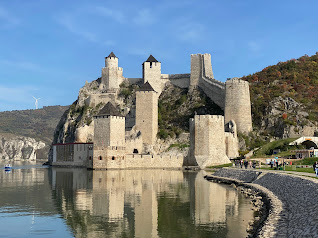
Golubac Fortress is one of Serbia’s most dramatic historical landmarks. Rising directly from the banks of the Danube at the entrance to the Iron Gates Gorge, this medieval stronghold looks less like a ruin and more like a fortress frozen in time. With massive stone towers, sheer cliffs, and the wide river stretching beneath it, Golubac Fortress is both a cultural monument and a natural spectacle.
This in-depth travel guide covers everything you need to know before visiting Golubac Fortress: its history, what to see, how to get there, ticket zones, best viewpoints, photography tips, and how to combine the visit with nearby attractions. If you are searching for one of the most impressive castles in Serbia or planning a Danube road trip, Golubac Fortress deserves a top place on your itinerary.

Why Visit Golubac Fortress?
Golubac Fortress is not just another medieval ruin. Its location alone makes it exceptional. Built at a strategic narrowing of the Danube, the fortress once controlled river traffic between Central Europe and the Balkans. Today, it marks the western gateway to the Iron Gates Gorge, where the river cuts between the Carpathian and Balkan mountains.
What sets Golubac apart is the combination of:
- A spectacular natural setting
- A well-preserved medieval structure
- Modern restoration that allows safe and informative access
- Easy integration into a day trip or longer eastern Serbia itinerary
Unlike many castles that sit isolated on hills, Golubac Fortress interacts directly with the landscape. The river, cliffs, wind, and light are part of the experience.
Where Is Golubac Fortress?
Golubac Fortress is located in eastern Serbia, near the town of Golubac, directly on the Danube River. It sits at the entrance to the Iron Gates Gorge, one of the most impressive natural corridors in Europe.
Approximate distances:
- Belgrade: ~130 km (about 2.5 hours by car)
- Đerdap National Park: immediately adjacent
- Romania: visible across the river on clear days
The fortress is impossible to miss: the main road passes directly beside it, and the towers rise sharply from the water’s edge.
A Brief History of Golubac Fortress
Golubac Fortress dates back to the late 13th or early 14th century, though the exact origin is still debated by historians. Its strategic importance came from its position on the Danube, where chains were once stretched across the river to control and tax passing ships.
Over the centuries, the fortress changed hands many times, reflecting the turbulent history of the region:
- Medieval Serbian rulers
- The Kingdom of Hungary
- The Ottoman Empire
Each power adapted and expanded the fortress, resulting in a complex structure with multiple construction phases. By the time firearms became dominant, Golubac had evolved into a formidable defensive system with towers positioned at different heights and angles.
Eventually, the fortress lost its military relevance and fell into ruin. Major restoration efforts in the 21st century transformed it into one of Serbia’s best-preserved and most visitor-friendly medieval sites.
Architecture and Layout: What Makes Golubac Unique
Golubac Fortress consists of ten towers, connected by thick stone walls that follow the natural shape of the rock. The towers vary in shape—square, rectangular, and circular—reflecting different construction periods and defensive needs.
Key architectural features include:
- Towers rising directly from the Danube
- Upper fortifications embedded into steep cliffs
- Narrow staircases and elevated walkways
- Strategic viewpoints overlooking the river corridor
The fortress is divided into zones, which makes it accessible to visitors with different fitness levels while preserving more demanding sections for experienced hikers.
Visiting Golubac Fortress: Practical Information
Ticket Zones and Access Levels
Golubac Fortress is divided into several visiting zones, usually labeled from basic to advanced. These zones determine how much of the fortress you can access.
- Green Zone: Easy access, suitable for all visitors. Includes lower towers and main courtyards.
- Blue Zone: Moderate difficulty, with stairs and elevated sections.
- Red/Black Zones: Advanced routes with steep climbs and exposed paths. Recommended only for physically fit visitors and those comfortable with heights.
Most visitors choose the Green or Blue zones and still get an excellent experience.
Opening Hours and Tickets
Opening hours vary by season, with longer hours in spring and summer. Tickets are purchased on-site, and prices depend on the zone selected.
It is strongly recommended to check current hours and availability before visiting, especially outside peak season or in bad weather.
What to See Inside Golubac Fortress
The Lower Fortress and River Towers
The lower section of Golubac Fortress sits right on the Danube. These towers once controlled river traffic and are among the most photogenic parts of the site. From here, the river feels immense, especially when large cargo ships pass by.
The Upper Fortress and Cliffside Walls
The upper sections climb steeply into the rock. From higher towers, the view opens over the Danube and the entrance to the Iron Gates Gorge. On clear days, the scale of the landscape becomes fully apparent.
Interpretive Exhibits
Modern restoration included informational panels and exhibits that explain:
- The fortress’s construction phases
- Daily life in medieval times
- Military strategy and river control
These additions are subtle and do not overwhelm the historical atmosphere.
Best Views and Photo Spots at Golubac Fortress
Golubac Fortress is one of the most photogenic places in Serbia. The best viewpoints include:
- Roadside viewpoint before arrival: A classic panoramic angle with the entire fortress and river.
- Lower river towers: Ideal for dramatic, close-up shots with water and stone.
- Upper walls: Perfect for wide-angle photos of the Danube gorge.
- Sunset side: Late afternoon light highlights the texture of the stone and softens the cliffs.
For photography, early morning and late afternoon offer the best light and fewer crowds.
Combining Golubac Fortress with Nearby Attractions
Đerdap National Park
Golubac Fortress lies at the western entrance of Đerdap National Park, Serbia’s largest national park. The park includes:
- The Iron Gates Gorge
- Scenic viewpoints
- Hiking trails
- Archaeological sites
If you have a full day, combine a fortress visit with a drive deeper into the gorge.
Lepenski Vir Archaeological Site
A short drive from Golubac, Lepenski Vir is one of Europe’s most important Mesolithic archaeological sites. It offers insight into prehistoric river cultures and pairs well with the medieval history of Golubac.
The Town of Golubac
The town itself is small and relaxed, with riverfront cafés and restaurants. It’s a good place for lunch or a short walk after visiting the fortress.
How to Get to Golubac Fortress
By Car
Driving is the easiest and most flexible option. The road from Belgrade follows the Danube for much of the route and is scenic in its own right.
By Bus
Buses run from Belgrade to Golubac, but schedules may be limited. From the town, the fortress is within walking distance or a short taxi ride.
Guided Tours
Many day tours from Belgrade include Golubac Fortress, often combined with Lepenski Vir or a Danube cruise.
Best Time to Visit Golubac Fortress
- Spring (April–June): Ideal weather, green landscape, comfortable temperatures.
- Summer (July–August): Very scenic but can be hot, especially in the upper sections.
- Autumn (September–October): Excellent light, fewer crowds, cooler air.
- Winter (November–March): Dramatic atmosphere, but access may be limited and weather unpredictable.
For most travelers, late spring and early autumn offer the best balance.
Tips for Visiting Golubac Fortress
- Wear sturdy shoes, especially if accessing upper zones
- Bring water in warm months
- Be cautious in windy conditions
- Follow safety instructions strictly in advanced zones
- Plan extra time for viewpoints and photos
How Long Should You Spend at Golubac Fortress?
- Quick stop: 45–60 minutes (lower fortress only)
- Standard visit: 1.5–2 hours
- In-depth exploration: 3 hours, including upper zones and photography
If you are combining it with nearby sites, plan a full day in the area.