
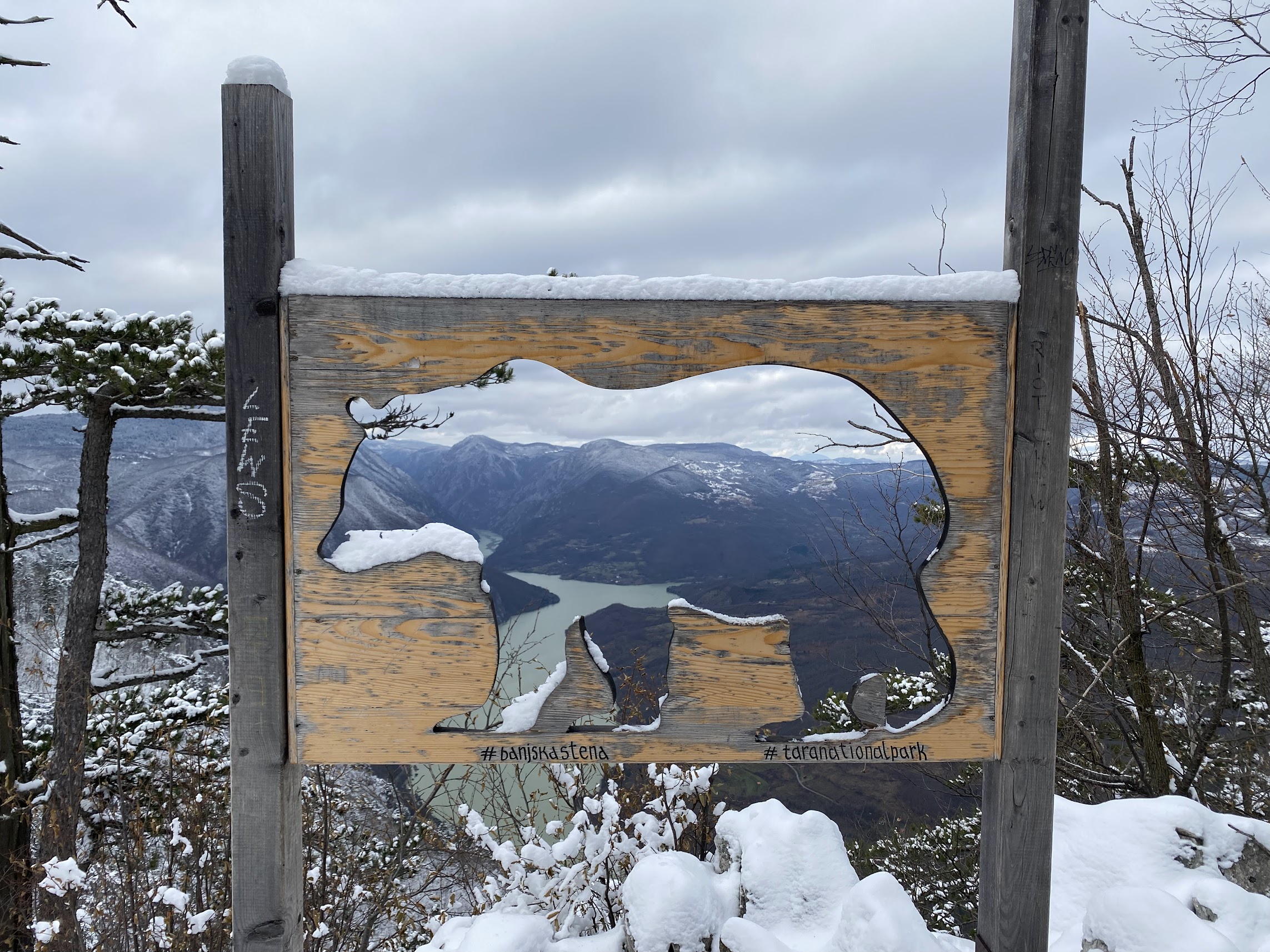
Tara Mountain is one of Serbia’s most pristine and atmospheric природных destinations. Covered with dense forests, cut by deep river canyons, and scattered with panoramic viewpoints, Tara is a place where nature still dominates the landscape. Unlike dramatic alpine peaks, Tara Mountain impresses through scale, silence, biodiversity, and an overwhelming sense of space.
Located in western Serbia, near the border with Bosnia and Herzegovina, Tara Mountain is best known as the heart of Tara National Park. It is an ideal destination for travelers who enjoy hiking, photography, wildlife, scenic drives, and slow travel in nature. This guide covers what to see, what to do, where to stay, how to get there, and how to plan a perfect visit to Tara Mountain.

Why Visit Tara Mountain?
Tara Mountain stands out even among Serbia’s many natural landscapes. It is not a place of mass tourism, ski resorts, or crowded attractions. Instead, Tara offers:
- Vast untouched forests and clean mountain air
- Deep canyons carved by the Drina River
- Famous viewpoints overlooking one of Europe’s most dramatic river valleys
- Rich biodiversity, including rare and endemic species
- Peaceful villages, traditional food, and a slow rhythm of life
Tara is ideal if you want to disconnect from urban life and experience Serbia’s wild side. It suits hikers, nature photographers, couples, families, and anyone looking for calm rather than nightlife.
Where Is Tara Mountain?
Tara Mountain is located in western Serbia, roughly between the towns of Bajina Bašta and Mokra Gora. The Drina River forms a natural border with Bosnia and Herzegovina, creating spectacular canyon scenery.
Approximate distances:
- Belgrade: ~180–200 km (4–5 hours by car)
- Užice: ~1.5 hours
- Zlatibor: ~1.5 hours
- Sarajevo: ~3 hours
Due to its rural nature, Tara Mountain is best explored by car.
Tara National Park: Nature at Its Purest
Tara National Park was established in 1981 to protect one of the largest preserved forest areas in Serbia. The park covers more than 240 square kilometers and is dominated by mixed coniferous and deciduous forests.
Biodiversity and Wildlife
Tara is famous for its exceptional biodiversity. It is home to:
- The Pančić spruce, a rare endemic tree species discovered on Tara
- Brown bears, wolves, chamois, deer, and wild boar
- Over 130 bird species, making it popular with birdwatchers
- A wide range of medicinal plants, mosses, and fungi
Wildlife is present but elusive. Seeing animals requires patience and respect for nature, not chasing or feeding.
Best Things to Do on Tara Mountain
1) Visit the Famous Viewpoints
Viewpoints are the highlight of Tara Mountain. They offer dramatic perspectives over the Drina River Canyon and endless forested ridges.
Banjska Stena Viewpoint
Banjska Stena is the most famous viewpoint on Tara Mountain and one of the most iconic landscapes in Serbia. From here, the Drina River curves far below, surrounded by steep forested cliffs.
- Easy to reach by car + short walk
- Wooden platform with safety railings
- Best at sunrise or sunset
This viewpoint alone is reason enough to visit Tara.
Other Viewpoints
Other notable viewpoints include:
- Crnjeskovo
- Osluša
- Bilješka stena
Each offers a slightly different angle and atmosphere, often with fewer visitors than Banjska Stena.
2) Hiking and Walking Trails
Tara Mountain has a well-developed network of hiking trails, ranging from easy forest walks to longer routes connecting viewpoints and villages.
Popular hiking options:
- Short scenic walks near viewpoints
- Forest trails through spruce and pine woods
- Full-day hikes across the plateau
Trails are generally well-marked, but it is recommended to carry offline maps or ask locals for current conditions.
3) Explore the Drina River Canyon
The Drina River forms one of the deepest river canyons in Europe. From Tara Mountain, you see it from above, but you can also explore it more closely.
Activities include:
- Scenic drives along canyon roads
- Boat rides on the Drina or nearby Peručac Lake
- Kayaking and rafting (seasonal)
The contrast between calm forest plateaus and the dramatic canyon below is one of Tara’s defining features.
4) Peručac Lake
Peručac Lake lies at the foot of Tara Mountain and is a popular summer destination.
What to do at Peručac:
- Swimming and sunbathing
- Boat rentals
- Lakeside cafés and restaurants
- Photography, especially in the early morning
It’s an excellent place to relax after hiking or sightseeing in the mountains.
5) Visit Local Villages and Ethno Houses
Tara Mountain is dotted with small villages and rural settlements where traditional life continues at a slow pace.
You’ll find:
- Wooden houses and farmsteads
- Homemade rakija, cheese, honey, and jams
- Family-run guesthouses
Staying in a village offers a deeper connection to the region than standard hotels.
6) Winter on Tara Mountain
Tara is not a major ski resort, but winter has its own charm:
- Snow-covered forests
- Peaceful atmosphere
- Cross-country skiing and winter hiking
- Cozy mountain lodges
Winter visits are best for travelers seeking solitude rather than sports infrastructure.
Where to Stay on Tara Mountain
Accommodation on Tara focuses on nature and simplicity rather than luxury.
Options include:
- Mountain lodges and hotels in the Kaludjerske Bare area
- Wooden cabins and cottages
- Private guesthouses and eco-lodges
Kaludjerske Bare is the main accommodation hub, offering restaurants, shops, and easy access to trails.
Booking in advance is recommended during summer and holiday periods.
Food and Local Cuisine on Tara
Food on Tara Mountain reflects western Serbian traditions: hearty, simple, and homemade.
Typical dishes include:
- Lamb and pork roasted under a metal lid (sač)
- Homemade cheese and kajmak
- Beans, stews, and soups
- Fresh bread and pastries
- Wild berry desserts and herbal teas
Meals are often generous and slow-paced, fitting the mountain lifestyle.
How to Get to Tara Mountain
By Car
Driving is the best option. Roads are generally good, but winding and slow in places.
Common routes:
- Belgrade → Užice → Bajina Bašta → Tara
- Zlatibor → Mokra Gora → Tara
Public Transport
Public transport options are limited. You can reach Bajina Bašta by bus, but moving around Tara without a car is difficult.
Best Time to Visit Tara Mountain
- Spring (May–June): Fresh greenery, waterfalls, blooming meadows
- Summer (July–August): Best for hiking, viewpoints, and Peručac Lake
- Autumn (September–October): Spectacular colors, fewer visitors, excellent photography
- Winter (December–February): Snowy landscapes, quiet atmosphere
Autumn is often considered the most beautiful season on Tara.
How Long Should You Stay on Tara Mountain?
- Day trip: Possible but rushed
- 2 days: Enough for main viewpoints and light hiking
- 3–5 days: Ideal for hiking, village life, and full relaxation
Tara rewards longer stays.
Tara Mountain vs Zlatibor
Travelers often compare Tara and Zlatibor:
- Zlatibor is more developed and tourist-oriented
- Tara is quieter, wilder, and more natural
- Tara focuses on forests and canyons; Zlatibor on open meadows
If you prefer nature over entertainment, Tara is the better choice.