
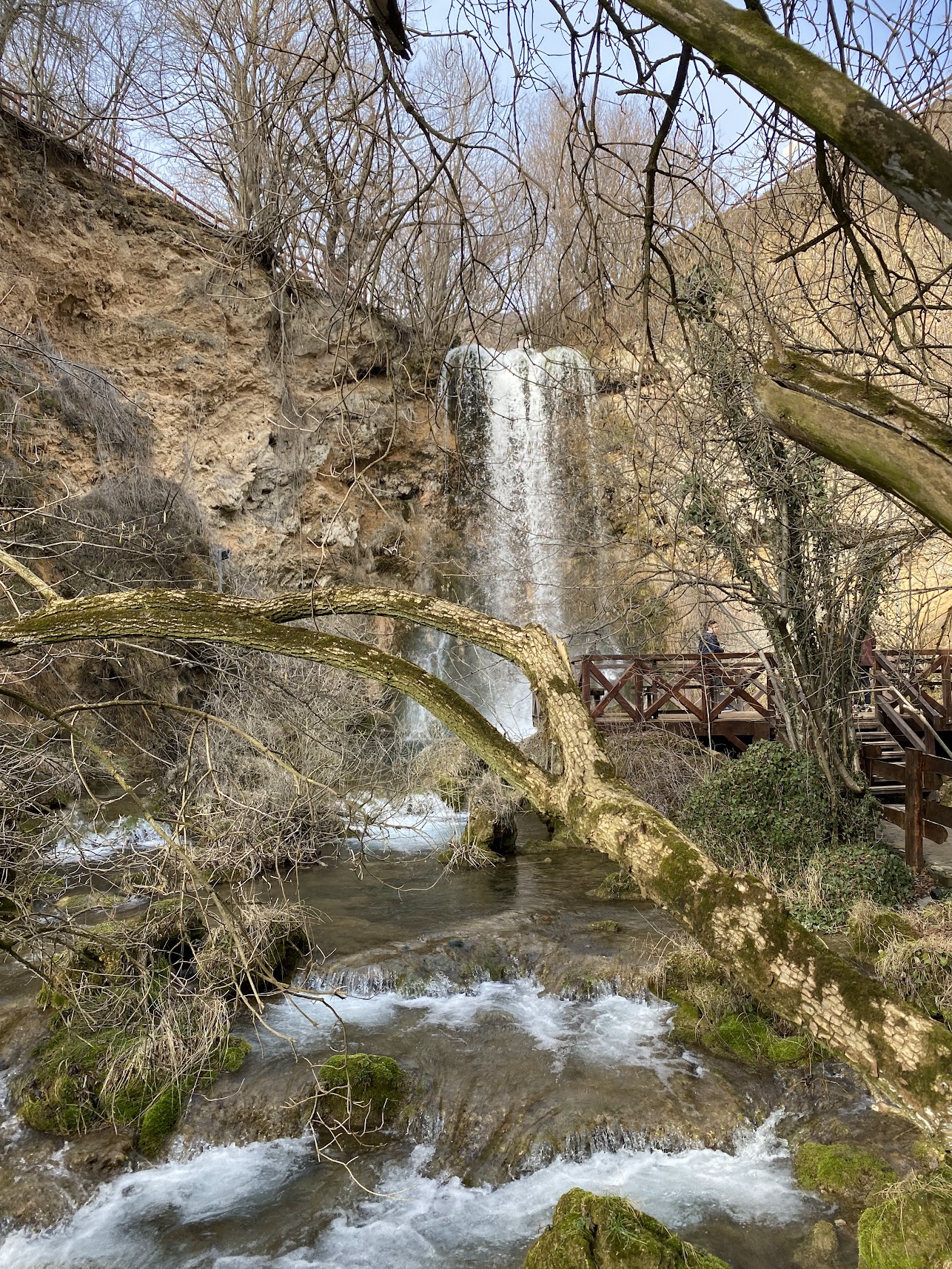
Veliki Buk Waterfall, also widely known as Lisine Waterfall, is one of the most scenic and accessible natural attractions in Serbia. Located in eastern Serbia, at the foothills of the Kučaj Mountains, this powerful cascade is famous for its emerald-green water, strong flow throughout the year, and dramatic limestone surroundings.
Veliki Buk is an ideal destination for nature lovers, photographers, families, and travelers looking to explore eastern Serbia beyond the usual routes. This article provides a complete travel guide to Veliki Buk Waterfall, including location, history, what to see, nearby attractions, best time to visit, photography tips, and practical travel advice. You’ll also find links to related points of interest to help you build a full itinerary.

Why Visit Veliki Buk Waterfall?
Veliki Buk stands out among Serbian waterfalls for several reasons:
- It is powerful year-round, unlike many seasonal waterfalls
- The water color is exceptionally clear and green
- The site is easily accessible and well-maintained
- It can be combined with caves, mountains, and monasteries nearby
- It offers a strong natural experience without long hikes
Unlike remote mountain waterfalls that require demanding treks, Veliki Buk delivers an immediate “wow” factor while still feeling wild and authentic.
Where Is Veliki Buk Waterfall?
Veliki Buk Waterfall is located near the village of Lisine, close to the town of Despotovac, in eastern Serbia. It lies on the western slopes of the Kučaj Mountains, an area known for dense forests, karst landscapes, and underground rivers.
Approximate distances:
- Belgrade: ~140 km (about 2.5–3 hours by car)
- Kragujevac: ~120 km
- Resava Cave: ~15 km
- Manasija Monastery: ~20 km
The waterfall is best reached by car, though organized tours from Belgrade and central Serbia are also available.
What Is Veliki Buk Waterfall?
Veliki Buk is formed by the Resava River, which emerges from a karst spring and flows through limestone terrain. The waterfall drops approximately 20 meters, spreading over a wide rock face rather than falling in a single narrow stream. This gives it a powerful, layered appearance and creates mist, sound, and movement that dominate the surrounding area.
Because it is fed by underground karst sources, the waterfall maintains a strong flow even in dry summer months, making it reliable for visits at any time of year.
Veliki Buk vs Lisine Waterfall: Name Explanation
You may see the waterfall referred to by two names:
- Veliki Buk Waterfall
- Lisine Waterfall
Both names refer to the same place. “Veliki Buk” is the formal geographical name, while “Lisine” comes from the nearby area and is commonly used in tourism materials. When searching online or on maps, either name will work.
What to See and Do at Veliki Buk Waterfall
The Main Waterfall Viewpoint
The primary viewpoint is only a short walk from the parking area. From here, you can see the full width of the waterfall, framed by green vegetation and limestone rock.
Wooden paths and bridges allow visitors to move closer without disturbing the environment. The constant sound of rushing water makes this area especially atmospheric.
Walk Along the River and Springs
Above and below the waterfall, the Resava River flows calmly through forested terrain. Short walking paths follow the riverbanks, offering quieter perspectives and excellent photo opportunities.
This area is ideal for:
- Relaxed walks
- Family visits
- Nature observation
- Cooling down in summer (without entering the water)
Photography Opportunities
Veliki Buk is one of the most photogenic waterfalls in Serbia.
Best photography conditions:
- Spring: Maximum water flow
- Autumn: Colorful foliage
- Winter: Frozen cascades and ice formations
- Early morning or late afternoon: Soft light and fewer visitors
A tripod is useful for long-exposure shots that highlight water movement.
Nearby Attractions You Should Not Miss
Veliki Buk is best visited as part of a wider eastern Serbia itinerary. Several major attractions are located nearby.
Resava Cave
Resava Cave is one of the largest and most impressive caves open to visitors in Serbia. It features:
- Massive chambers
- Stalactites and stalagmites
- Guided tours with lighting and walkways
Resava Cave is only about 15 minutes from Veliki Buk and is a perfect complement to the waterfall visit.

Manasija Monastery
Manasija Monastery is a fortified medieval monastery built in the 15th century. It is one of the most important cultural monuments in Serbia and lies close to Despotovac.
Combining Manasija with Veliki Buk and Resava Cave makes for a well-balanced day of nature and history.
Kučaj Mountains and Nature Trails
The Kučaj Mountains are among Serbia’s least developed and most mysterious mountain regions. They offer:
- Dense forests
- Karst plateaus
- Remote hiking routes
- Minimal tourism infrastructure
For experienced hikers and explorers, this area provides true wilderness.
Best Time to Visit Veliki Buk Waterfall
Veliki Buk is a year-round destination, but each season offers a different atmosphere:
- Spring (March–May): Strongest water flow, lush greenery
- Summer (June–August): Refreshing climate, ideal for families
- Autumn (September–October): Beautiful foliage and fewer visitors
- Winter (December–February): Frozen waterfall and dramatic scenery
Winter visits can be especially striking, but require careful walking due to ice.
Practical Information for Visitors
Entrance and Facilities
- Entrance is generally free or low-cost
- Parking is available near the site
- Restaurants serving local food are located nearby
- Paths are well maintained, but can be slippery near water
What to Bring
- Comfortable walking shoes
- Warm clothing in cooler seasons
- Camera or phone with good low-light performance
- Cash for local food and small services
How Long Should You Spend at Veliki Buk?
- Quick visit: 30–45 minutes
- Relaxed visit: 1–1.5 hours
- Combined with cave and monastery: Full day
Veliki Buk is ideal as both a standalone stop and part of a longer route.
Veliki Buk Waterfall Travel Guide: Final Thoughts
Veliki Buk Waterfall is one of Serbia’s most rewarding natural attractions. It offers power, beauty, accessibility, and consistency—qualities that many waterfalls lack. Whether you visit in summer greenery or winter ice, it leaves a strong impression without requiring extreme effort.
When combined with nearby highlights like Resava Cave and Manasija Monastery, Veliki Buk becomes part of one of the best nature-and-culture itineraries in eastern Serbia. It is a destination that proves Serbia’s landscapes are just as impressive as its cities and fortresses.